tomorrowread

Daily brief

·Confidence 63%·Latest file available

Signal

78

Very tense

Many big stories are moving markets and politics at once.

Markets feel highMoney flow fragileNews flow highSnapshot confidence 72%

Countries

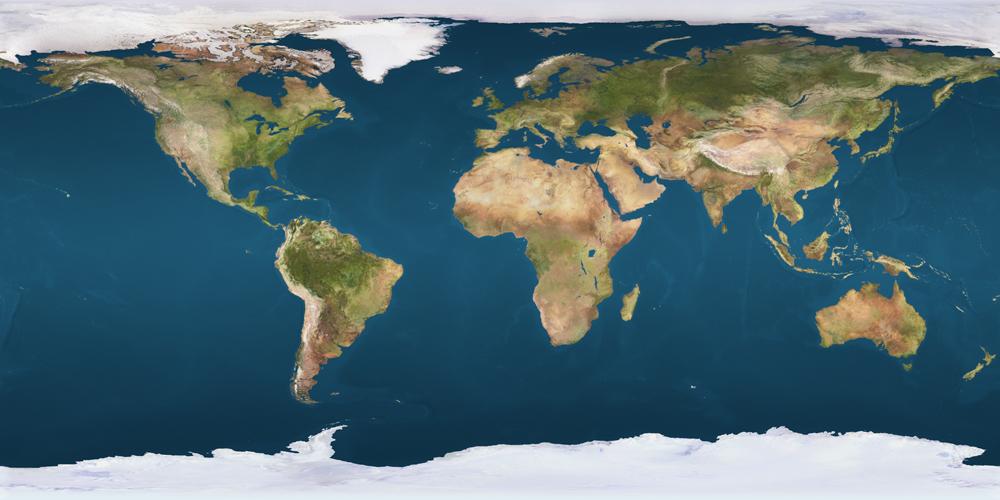
11 country readouts on the map — highest risk first.

World map

Tap a point to read that country

Iran

Risk 85 · 68% sure

In the immediate to short term, Iran is likely to pursue a tactical Hormuz routing arrangement with Oman while maintaining deterrence threats against Gulf energy assets if struck. The most probable path is partial de-escalation with continued gray-zone risk, keeping Iran central to global energy risk pricing.

Main drivers

  • Hormuz routing deal mechanics and control disputes
  • Retaliation threats against Gulf energy infrastructure
  • Ongoing attacks/incidents in and near Hormuz

Driving themes

The forces shaping today’s risk picture.

  1. 1

    US-Iran conflict management centered on Strait of Hormuz reopening talks amid threats of renewed strikes and Iranian retaliation against Gulf energy infrastructure

  2. 2

    Middle East multi-front instability: Israel-Lebanon strikes resuming and Houthi missile/drone attacks on Saudi-linked targets after a period of relative calm

  3. 3

    US trade/industrial policy tightening: new tariff on key chip material to counter China; broader tariff threats affecting partners and supply chains

  4. 4

    Migration and border stress in Europe: mass crossings into Spain’s Ceuta triggering military deployment and travel warnings

  5. 5

    Public health and bio-risk signals: Ebola outbreak in DRC accelerating; record US cyclosporiasis outbreak with reported deaths; Australia bird flu outbreak

  6. 6

    Climate and extreme weather strain: record heat in Japan/Korea; Europe heatwave and wildfires; US heat dome; hydropower/reservoir stress signals in India

  7. 7

    Governance/institutional friction: US immigration tightening and birthright citizenship executive actions; media consolidation rule change; Indonesia central bank governor resignation headline

Big stories to know

6 signal clusters, strongest first.

Heating upStrength 92GeopoliticsOilUSDGoldRatesEquities

Hormuz ceasefire mechanics vs escalation risk

Dense, highly recent signals indicate a near-term attempt to operationalize a temporary Hormuz transit arrangement, but with meaningful tail risk of renewed strikes and retaliatory attacks on Gulf energy assets, keeping oil and risk assets sensitive to headlines.

Key signals

  • US-Iran war updates: Iran attacks 'hostile targets' in Strait of Hormuz; oil prices rising (2026-08-07)
  • Trump says war can’t go much longer; Hormuz deal close; deal to reopen Strait could come this week (2026-08-07, 2026-08-06)
  • Iran-Oman agreement on shipping coordinates/route in final stages; proposed deal gives Iran control of inbound traffic (2026-08-06)
  • Iran threatens to hit Gulf states/energy infrastructure if US launches new strikes (2026-08-06)
  • Reports of US munitions/interceptor stockpile strain; Trump denies shortages and hunts leakers (2026-08-06)

What to watch

6 systemic risks, highest severity first.

Energy transit chokepoint disruption (Strait of Hormuz)

90

Multiple highly recent signals of attacks/threats in Hormuz alongside a fragile, temporary routing deal under negotiation; explicit threats to Gulf energy infrastructure if strikes resume.

Immediate

What happens next

Short, medium, and longer horizons from the brief.

Next few weeks

From 2026-08-07 through the next 4 weeks, the base case is a fragile de-escalation attempt around a temporary Strait of Hormuz transit arrangement, coexisting with elevated incident risk and parallel escalation nodes in Lebanon and Yemen. Markets are likely to remain headline-driven: oil and risk assets will swing on confirmation of routing implementation versus renewed strikes/retaliation threats. Europe faces localized political/security stress from the Ceuta migration shock, while public health monitoring intensifies due to accelerating Ebola in DRC and record US cyclosporiasis cases.

Markets & domains

Scenario paths across the domains in today’s brief.

Geopolitics

5 possible paths

Most likely path

Hormuz temporary transit arrangement announced and partially implemented

Immediate·stable·News flow high·Confidence 70%

34%
Show details

Why this could happen

  • Trump says deal to reopen Strait of Hormuz could come this week / as early as Wednesday (2026-08-06)
  • Iran-Oman route/coordinates deal in final stages (2026-08-06)
  • Trump says war can’t go much longer; Hormuz deal close (2026-08-07)
How it could unfold

  • High-level statements + Iran-Oman technical routing signals
  • Pressure to reduce oil-price-driven political/economic strain
  • Announcement enables limited de-escalation without resolving core disputes

Side effects

  • Risk premium in oil compresses but remains elevated
  • Equities stabilize; safe-haven demand eases modestly
  • Maritime insurers/ship operators cautiously resume routing

Who is affected

  • United States
  • Iran
  • Oman
  • Saudi Arabia
  • UAE
  • Global shipping

Deal stalls; intermittent harassment/incidents persist in and near Hormuz

Short Term·volatile·News flow high·Confidence 62%

28%
Show details

Why this could happen

  • Iran warns route deal does not guarantee safe navigation due to US blockade claims (2026-08-06)
  • Proposed deal gives Iran control of inbound traffic (2026-08-06)
  • Iran attacks 'hostile targets' in Strait of Hormuz; embassies warn Americans as Iran threatens choke points (2026-08-07, 2026-08-06)

How it could unfold

  • Operational control disputes + mistrust
  • Partial compliance creates gray-zone enforcement
  • Incidents keep escalation risk alive even without full war expansion

Side effects

  • Oil remains headline-driven; shipping delays
  • Gold supported; equities choppy
  • Regional states increase maritime security coordination

Who is affected

  • GCC states
  • Global energy importers
  • Insurers
  • Shipping firms

Renewed US strikes on Iran trigger Iranian retaliation against Gulf energy assets

Immediate·volatile·News flow medium·Confidence 55%

18%
Show details

Why this could happen

  • White House signals Trump weighing new strikes; Trump threatens more strikes (2026-08-06)
  • Iran threatens to hit Gulf states/energy infrastructure if US launches new strikes (2026-08-06)

How it could unfold

  • Strike consideration persists despite diplomacy
  • Iran deterrence messaging targets Gulf energy to raise costs
  • A limited exchange could occur from miscalculation or signaling

Side effects

  • Oil spikes; equities risk-off
  • USD safe-haven bid; gold up
  • Regional air/missile defense demand increases

Who is affected

  • Saudi Arabia
  • UAE
  • Qatar
  • Kuwait
  • United States
  • Iran

Israel-Lebanon front intensifies despite talks, raising broader regional escalation risk

Short Term·upward·News flow high·Confidence 58%

12%
Show details

Why this could happen

  • Israel resumes strikes; first Israeli deaths since June truce; evacuation warning (2026-08-07, 2026-08-06)
  • Rights groups allege war crimes in Lebanon journalist killing (2026-08-06)

How it could unfold

  • Ceasefire fragility evidenced by fatalities and renewed strikes
  • Domestic/political pressures and security incidents drive tit-for-tat
  • Escalation risk rises even if Hormuz de-escalates

Side effects

  • Risk premium persists in oil and shipping
  • Humanitarian/travel restrictions increase
  • Diplomatic pressure on Israel rises

Who is affected

  • Israel
  • Lebanon
  • Hezbollah (implied by truce context)
  • Regional mediators

Houthi attacks expand and normalize a new cycle of strikes on Saudi-linked targets

Medium Term·upward·News flow high·Confidence 60%

8%
Show details

Why this could happen

  • Houthis fire missiles at Saudi Arabia breaking years of calm (2026-08-07)
  • Houthis launch deadly attacks in Marib/Hadramout; at least 30 troops killed (2026-08-06)
  • Saudi maritime defense coalition leadership appointed (2026-08-06)

How it could unfold

  • Resumption of strikes indicates capability and intent
  • Coalition formation suggests expectation of sustained threat
  • Sustained attacks increase probability of wider maritime/security incidents

Side effects

  • Higher shipping insurance costs in Red Sea/Bab al-Mandeb
  • Energy infrastructure risk premium increases
  • Regional defense spending and coordination rise

Who is affected

  • Saudi Arabia
  • Yemen
  • Red Sea shipping
  • Coalition member states

Knock-on effects

10 cross-asset ripples from the brief.

upwardImpact 10/10Hits Oil

Renewed US strikes on Iran or Iranian retaliation against Gulf energy infrastructure

Iran explicitly threatened Gulf energy retaliation; escalation directly targets supply/transit confidence.

For understanding the news landscape only — not financial, legal, or investment advice. Scores are estimates and can change as new signals arrive.