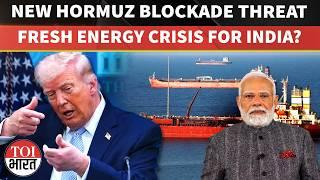
Trump may claim victory if Hormuz reopens, but stalled talks keep escalation risk alive.
A pause in military rhetoric can calm markets, but the underlying dispute over Hormuz, sanctions, and troop presence still carries global energy risk.
8 results for “United States”
Trump may claim victory if Hormuz reopens, but stalled talks keep escalation risk alive.
A pause in military rhetoric can calm markets, but the underlying dispute over Hormuz, sanctions, and troop presence still carries global energy risk.

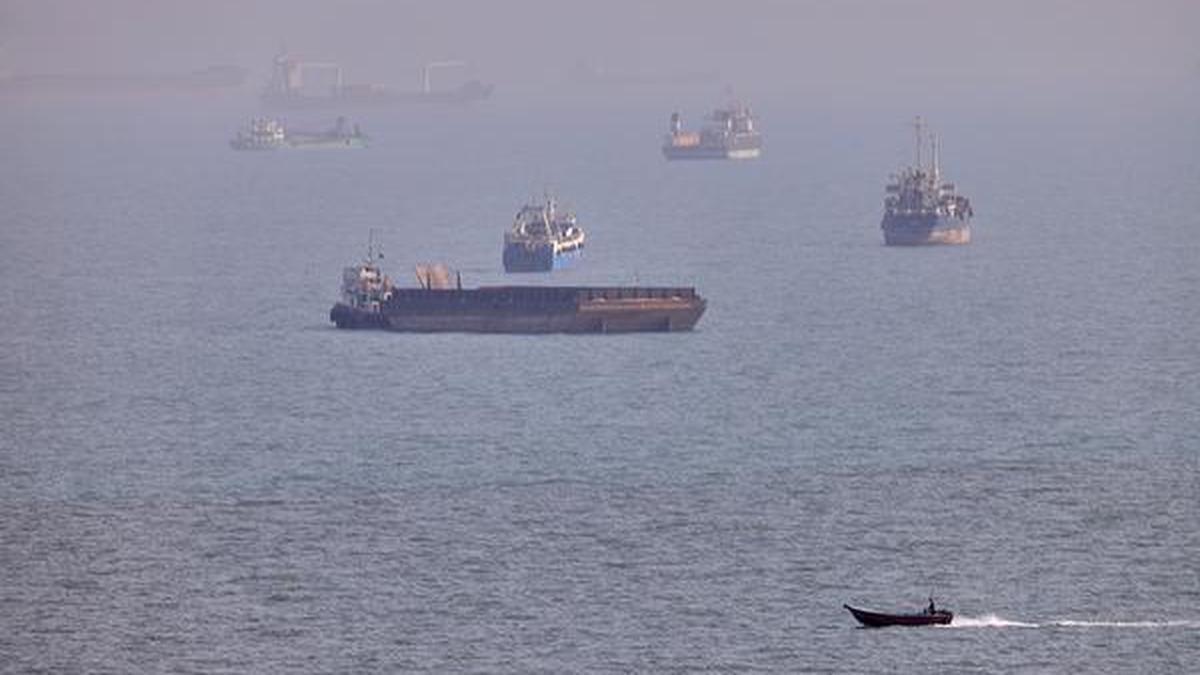
Iran’s Hormuz restrictions will keep rattling energy markets until Washington signals concessions, compensation, or a face-saving off-ramp.
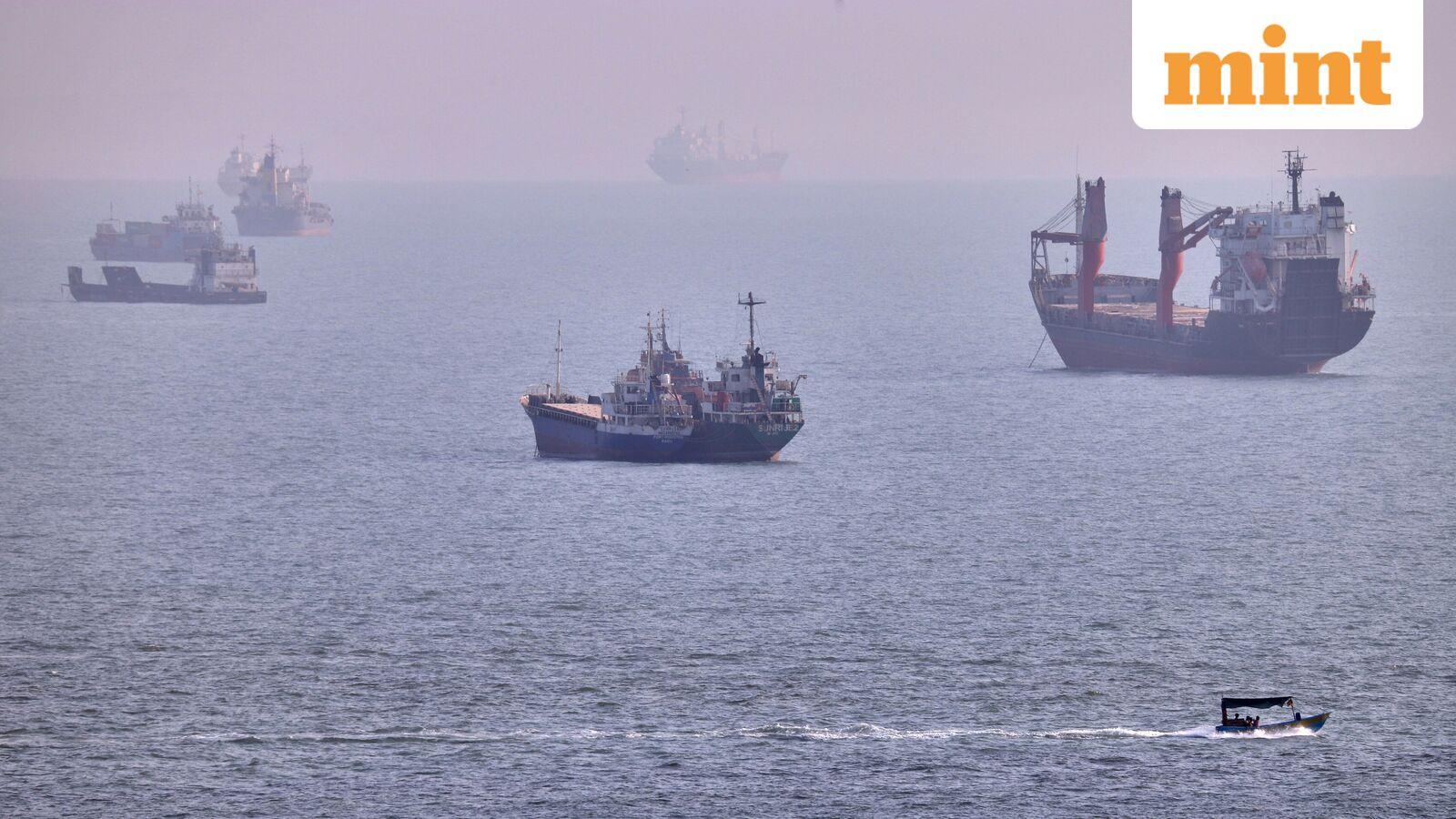
Any prolonged disruption at Hormuz can ripple through oil prices, shipping insurance, and regional military calculations far beyond the immediate conflict.

Batchigari’s extradition case will move quickly if German authorities accept Arizona’s evidence and the US keeps pressure on the arrest timeline.
The case highlights how quickly violent-crime investigations now move across borders, and how extradition cooperation can close escape routes.

Iran’s Hormuz blockade will stay the market’s biggest geopolitical lever until Washington trades concessions for a reopening.
This is the clearest near-term threat in the window to global energy flows, shipping insurance, and regional escalation. It also links directly to U.S. military stockpile strain and the broader diplomatic deadlock around Iran.

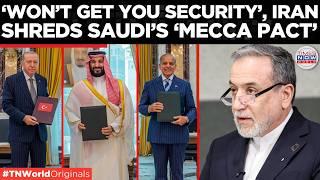
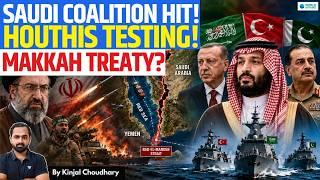
The Mecca pact will likely expand debate over a post-US Gulf security order, with more states testing defensive alignments and hedges.
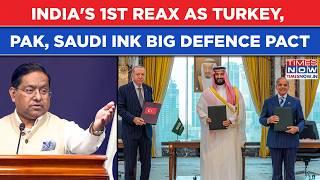
This could alter how Gulf states think about deterrence, alliances and crisis response. It also intersects with Iran tensions and India’s security calculations.

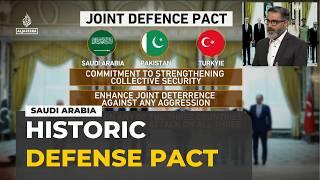
Saudi Arabia, Turkiye and Pakistan will use the Mecca pact as a platform for deeper defense coordination, while Gulf capitals continue hedging beyond the US security umbrella.
The agreement matters because it reflects a strategic recalibration by Gulf capitals after repeated crises. If it deepens, it could reshape defense procurement, military coordination and diplomatic alignments across the region.
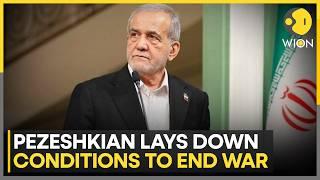
Iran will keep tying any Strait of Hormuz reopening to compensation and other conditions, with Abbas Araghchi’s Oman channel remaining the only plausible path to a partial deal in the short term.
This is the biggest market-moving story in the feed. Hormuz is a chokepoint for energy flows, and any sign that Tehran is using reopening as leverage will ripple through shipping, oil pricing, and diplomacy.

Iran, Oman and the US will remain locked in a bargaining cycle over the Strait of Hormuz, while India’s LPG buyers keep leaning on US cargoes unless Gulf supply normalizes quickly.
This is the clearest near-term market-moving story in the batch. It links military escalation directly to oil and LPG logistics, with India’s supply chain already adjusting and Brent still sensitive to every signal from Hormuz.
You're all caught up · last 5 days