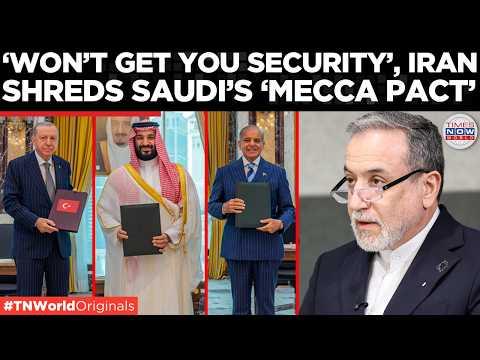
Saudi Arabia, Turkiye and Pakistan will use the Mecca pact as a platform for deeper defense coordination, while Gulf capitals continue hedging beyond the US security umbrella.
The agreement matters because it reflects a strategic recalibration by Gulf capitals after repeated crises. If it deepens, it could reshape defense procurement, military coordination and diplomatic alignments across the region.
AI reasoning
The agreement matters because it reflects a strategic recalibration by Gulf capitals after repeated crises. If it deepens, it could reshape defense procurement, military coordination and diplomatic alignments across the region.
Curated summary
Saudi Arabia, Turkiye and Pakistan signed a joint defence agreement in Mecca on Friday. The pact is being read as a sign that Gulf states want wider security ties instead of relying on a single guarantor, especially the United States. The deal does not end the US-led order, but it points toward a more plural regional security system.
Supporting evidence
Source news
The Gulf’s security architecture is starting to look less US-centric
Saudi Arabia, Turkiye and Pakistan have signed a joint defence agreement in Mecca, signaling a broader regional security hedge.