Copernicus’ ocean heat record will intensify European drought and wildfire warnings as El Niño strengthens into autumn.
Record ocean heat is a multiplier for extreme weather, from stronger storms to marine ecosystem stress. The data adds urgency to adaptation planning and raises the probability of further disruptive climate events in coming months.
AI reasoning
Record ocean heat is a multiplier for extreme weather, from stronger storms to marine ecosystem stress. The data adds urgency to adaptation planning and raises the probability of further disruptive climate events in coming months.
Curated summary
The EU’s Copernicus Climate Change Service said the world’s oceans recorded their hottest July ever, with average sea surface temperature outside polar regions reaching 20.96C, beating the 2023 record of 20.89C. July was also the joint second-warmest globally at 1.47C above pre-industrial levels. Western Europe logged its hottest June and July ever, with heat and dry weather driving wildfires; record ocean heat also affected the Atlantic, western Mediterranean and tropical Pacific, where El Niño is developing and may strengthen.
Supporting evidence
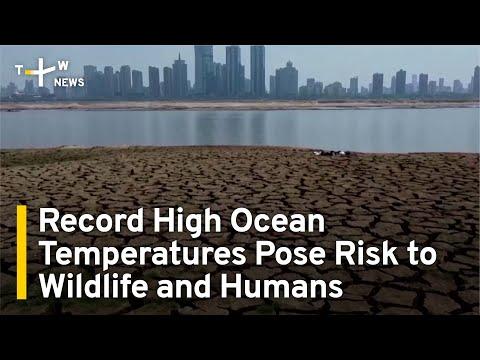 YouTube·TaiwanPlus News
Record High Ocean Temperatures Pose Risk to Wildlife and Humans | TaiwanPlus News
323 engagements7h ago YouTube·News 19 WLTX
World's oceans hit record-high temperatures
7h ago YouTube·Channel 4 News
Extreme weather: World’s ocean temperatures hit record high in 2020
7h ago YouTube·WION
Ocean surface temperatures hit record high | Latest World News | English News | WION
7h ago YouTube·Arirang News
Ocean temperatures hit record high in 2019, global warming to blame: Report
7h ago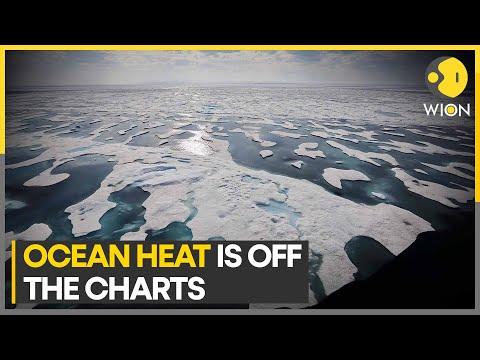 YouTube·WION
World’s oceans set new temperature record | WION Climate Tracker
7h ago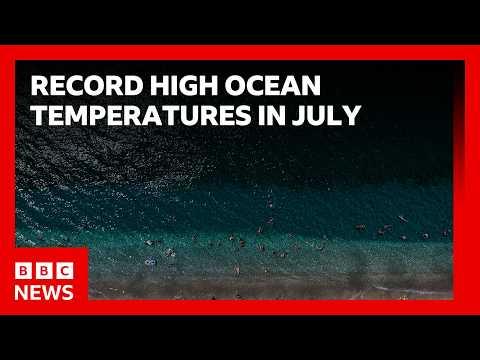 YouTube·BBC News
World's oceans hit record-high July temperatures, EU's climate monitoring service says | BBC News
7h ago YouTube·Arirang News
World's ocean temperatures hit record highs
7h ago
Source news
Copernicus: World’s oceans hit record-high July temperatures as Europe bakes through extreme heat
The EU climate service logs a new sea-surface temperature record outside polar regions, reinforcing a worsening heat-and-drought pattern.