NOAA’s July record will trigger new regional heat advisories and wildfire restrictions across the West and Southeast.
A national heat record amplifies public-health risk, strains power grids, and worsens wildfire conditions—while sharpening the political and economic stakes of climate adaptation.
AI reasoning
A national heat record amplifies public-health risk, strains power grids, and worsens wildfire conditions—while sharpening the political and economic stakes of climate adaptation.
Curated summary
The United States recorded its hottest month ever in July, with the Lower 48 averaging 76.9°F—1.8°F above the 20th-century average—according to the National Oceanic and Atmospheric Administration. The month beat the July 1936 record. The report described three heat domes trapping hot air across the West, Rockies, Upper Midwest, Gulf Coast and Southeast, with scientists linking the extreme heat to human-driven climate change and wildfires spreading as temperatures stayed high for weeks.
Supporting evidence
 YouTube·TODAY
US Sets Record For Hot Nights In July
748 engagements4h ago YouTube·9NEWS
Hottest month on record; July 2021 according to NOAA
566 engagements1h ago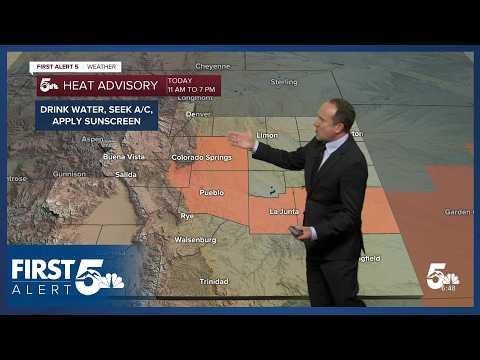 YouTube·KOAA 5
Heat Advisories to start to the week, but cooler, wetter changes are ahead
553 engagements4h ago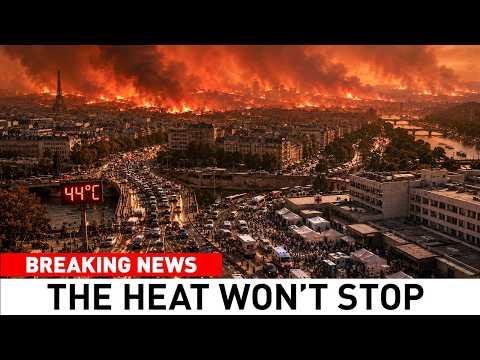 YouTube·Bright Side News
A Record Heatwave Is Sweeping Europe — 44°C Temperatures
150 engagements4h ago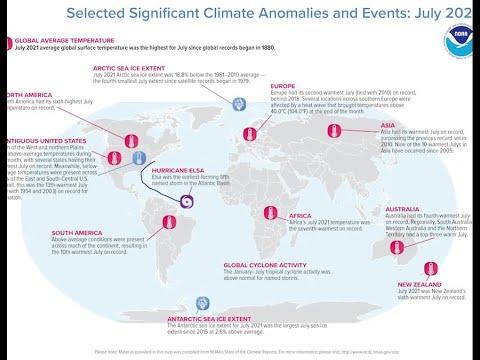 YouTube·WPRI
VIDEO NOW: July Hottest Month on Record Across the Globe
109 engagements1h ago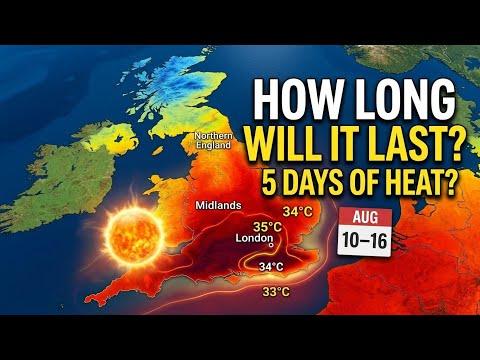 YouTube·Knowledge Panel
UK Heatwave 2026: How Long Will This Extreme Heat Last? 🌡️🔥 August Forecast
59 engagements4h ago YouTube·India Today Global
Europe's Hottest Summer Yet? Western Europe Breaks Heat Record as 2026 Could Become Hottest Year
53 engagements4h ago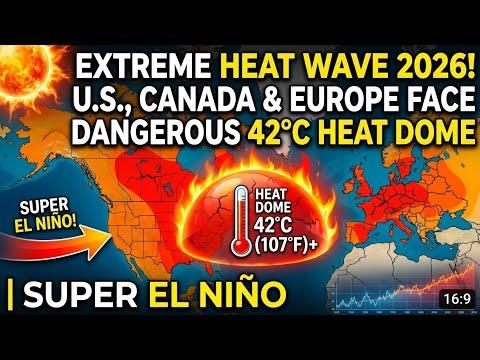 YouTube·Knowledge Panel
🔥 Extreme Heat Wave 2026: U.S., Canada & Europe Face Dangerous 42°C Heat Dome
14 engagements4h ago
Source news
NOAA: U.S. just logged its hottest July ever, beating a 132-year record
Three heat domes drove weeks of extreme temperatures across multiple regions as wildfires spread.