Meta’s Muse Glimmer will trigger a Senate hearing on open-source AI access and guardrails within weeks.
This is a direct escalation in the open-vs-closed AI fight, tying product release strategy to Washington pressure and national-security arguments. Meta is positioning open-source distribution and lighter guardrails as both a competitiveness and democracy issue—an approach likely to sharpen regulatory and industry backlash.
AI reasoning
This is a direct escalation in the open-vs-closed AI fight, tying product release strategy to Washington pressure and national-security arguments. Meta is positioning open-source distribution and lighter guardrails as both a competitiveness and democracy issue—an approach likely to sharpen regulatory and industry backlash.
Curated summary
Mark Zuckerberg published a 6,500-word manifesto titled “The Future is for Everyone,” arguing AI should empower individuals rather than concentrate power in a handful of firms. He said the U.S. should not restrict access to open-source models and called for reducing training guardrails if they impede progress, while still collaborating with government. The essay landed alongside Meta’s release of an open-source version of its most advanced AI model, Muse Glimmer, weeks after Muse Spark. The publication arrives amid renewed debate with Anthropic, after CEO Dario Amodei said he did not back a letter opposing restrictions on foreign open-source models, citing risks from China and “authoritarian governments,” and as Sen. Bernie Sanders urged AI companies to pause development or face congressional intervention.
Supporting evidence
 YouTube·Forbes Breaking News
Mark Zuckerberg Outlines AI Vision In New Manifesto—Here’s What He Says
437 engagements2h ago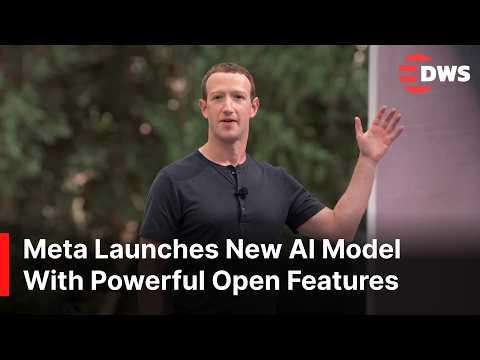 YouTube·DWS News
Mark Zuckerberg Reveals Meta AI Breakthrough With Open Weight Model Launch | DWS News | AI14
220 engagements2h ago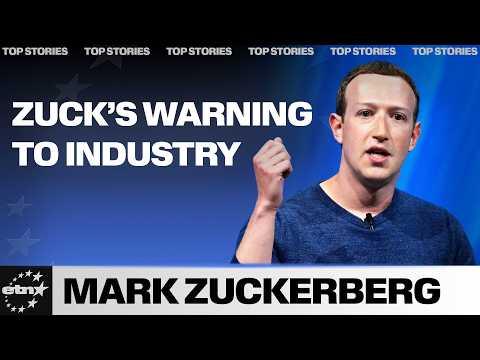 YouTube·etn.
Mark Zuckerberg's Warning to the AI Industry | TOP STORIES
121 engagements2h ago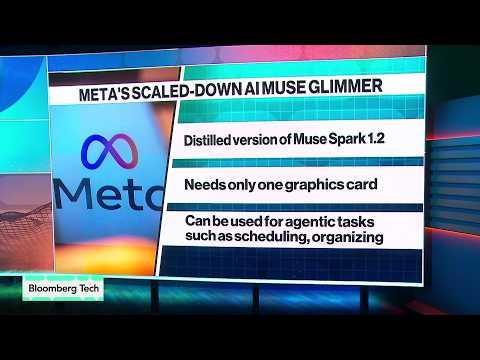 YouTube·Bloomberg Tech
Meta Brings Powerful AI to the Personal Computer
76 engagements2h ago YouTube·ABC News
Zuckerberg criticizes the centralization of AI power
2h ago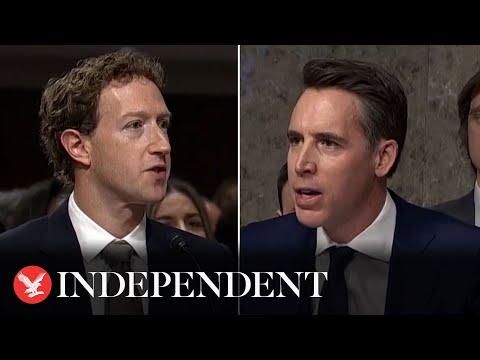 YouTube·The Independent
Zuckerberg and Senator Hawley clash in fiery child safety hearing
2h ago YouTube·Bloomberg Tech
Exclusive: Zuckerberg on Meta's AI Push
2h ago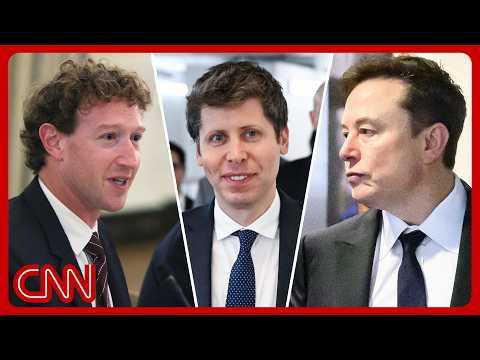 YouTube·CNN
Musk, Zuckerberg and Altman clash over AI's future
2h ago
Source news
Zuckerberg’s manifesto doubles down on open-source AI as Meta releases Muse Glimmer
Meta’s CEO argues AI should empower individuals, not concentrate power, and says guardrails shouldn’t slow progress.