Balendra Shah’s August 10 meetings with the Indian and Chinese envoys will be read as a calibrated balancing move, and the U.S. meeting on Tuesday will be watched for any sign of a broader foreign-policy reset.
The sequencing of these meetings is itself the signal. Nepal is carefully staging its foreign policy balancing act among India, China and the United States.
AI reasoning
The sequencing of these meetings is itself the signal. Nepal is carefully staging its foreign policy balancing act among India, China and the United States.
Curated summary
Nepal Prime Minister Balendra Shah will hold separate meetings with Indian Ambassador Naveen Srivastava and Chinese Ambassador Zhang Maoming on Monday, August 10, his first one-on-one diplomatic talks after more than 100 days in office. He will meet the Indian envoy in the morning and the Chinese envoy later that afternoon. The Foreign Ministry has informed the embassies, and Shah is also due to meet U.S. Embassy Chargé d’Affaires Scott Urbom on Tuesday.
Supporting evidence
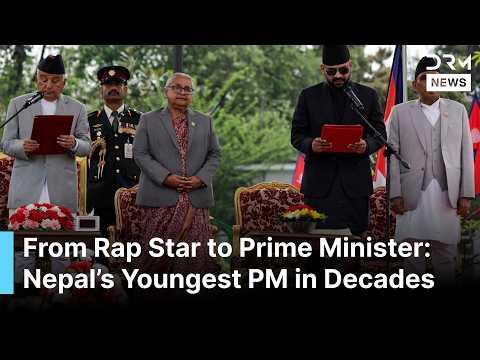 YouTube·DRM News
Ex-Rapper Balendra Shah Sworn In as Nepal's Prime Minister After Historic Election Landslide | AC1G
721 engagements3h ago YouTube·India News
Balendra Shah की भारत यात्रा क्यों अहम? China, सीमा विवाद और Pak डील का कनेक्शन
313 engagements3h ago YouTube·Bajarbattu Duniya
Nepal PM Balen Shah का बड़ा U-Turn! आखिर क्यों झुके भारत के सामने? India Nepal | China | Bajarbattu
3h ago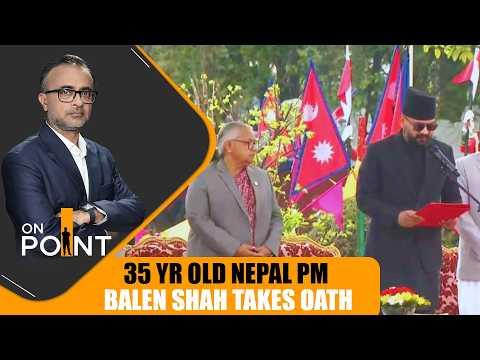 YouTube·NEWS9 Live
From Rapper to Nepal PM: Balendra Shah Sworn In at 35 | ON POINT | News9
3h ago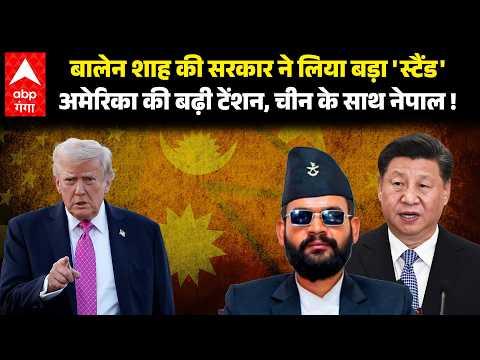 YouTube·ABP Ganga
Balen Shah's Home Minister met the Chinese Ambassador and announced, 'Will not allow it to be use...
3h ago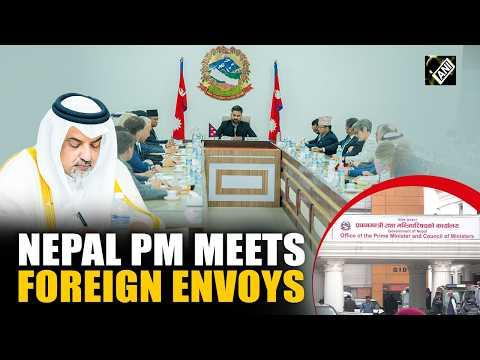 YouTube·ANI News
Nepal PM Balendra Shah holds group talks with foreign envoys in Kathmandu
3h ago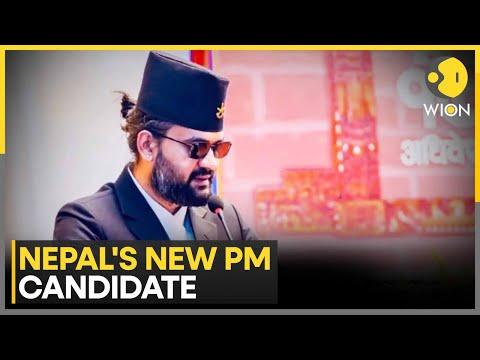 YouTube·WION
Ex-Rapper Balendra Shah To Run For Nepal PM PST | WION News
3h ago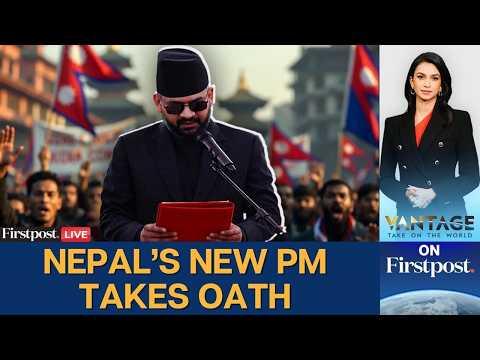 YouTube·Firstpost
LIVE: Balen Shah Takes Charge as Nepal's PM, PM Modi Congratulates | Vantage on Firstpost
3h ago
Source news
Nepal PM Balendra Shah schedules first one-on-one meetings with India and China envoys
Shah will meet the Indian ambassador in the morning and the Chinese ambassador later the same day, then see the U.S. envoy on Tuesday.