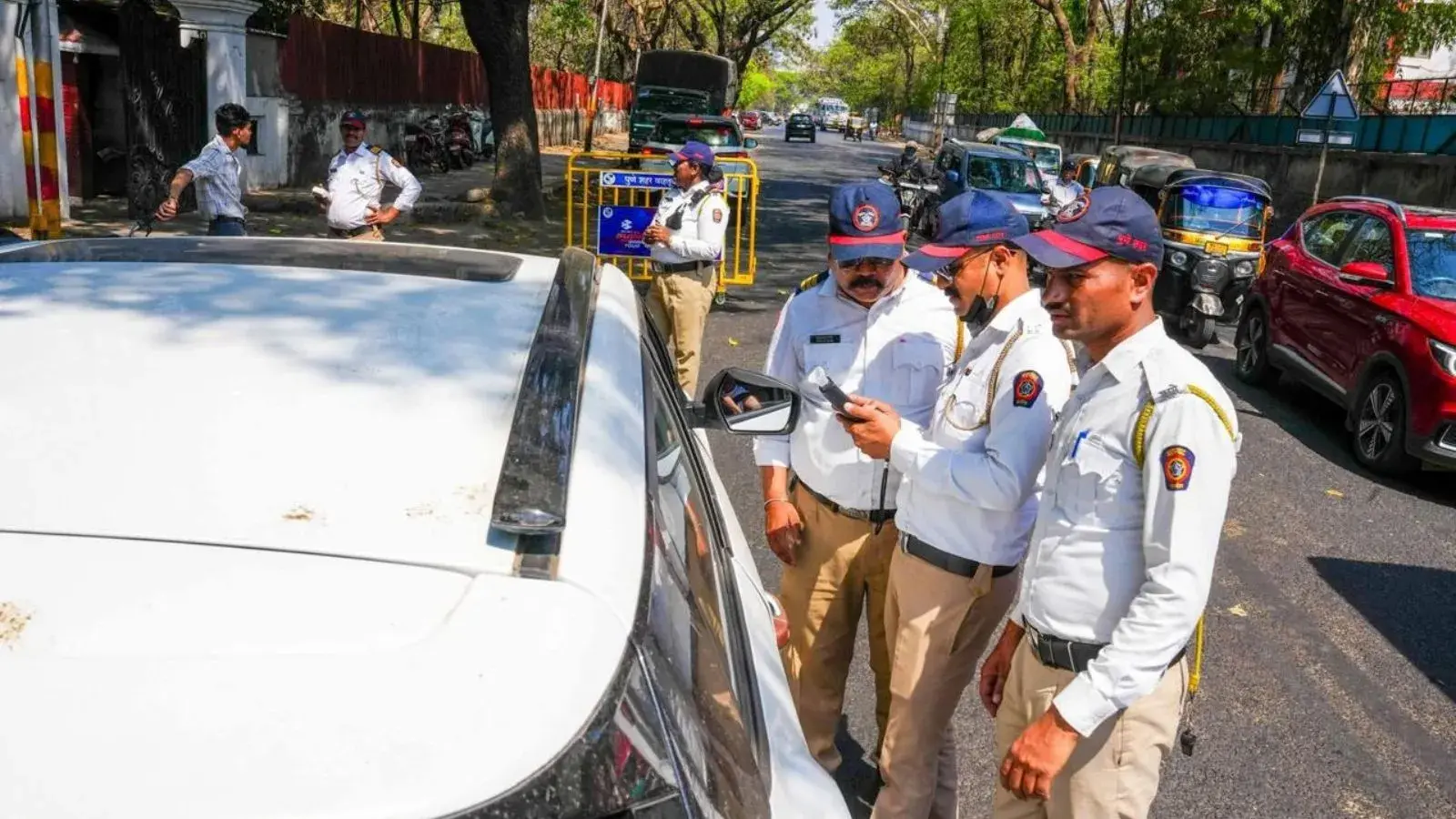
Pune commuters will face heavier delays if the Tiranga rally runs longer than planned.
Not a national headline, but a useful local disruption story with clear utility for commuters. It also ties into the broader Independence Day campaign wave.
13 results for “traffic”

Pune commuters will face heavier delays if the Tiranga rally runs longer than planned.
Not a national headline, but a useful local disruption story with clear utility for commuters. It also ties into the broader Independence Day campaign wave.
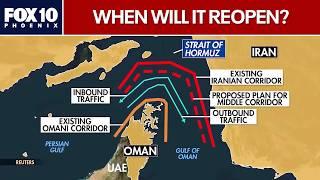
Hormuz talks stay fragile, and traders will keep pricing sudden oil spikes until a deal lands.
This is the clearest macro-risk story in the feed: it links geopolitics directly to oil prices, shipping security and inflation expectations. Any shift in the Hormuz talks can move global energy markets fast.

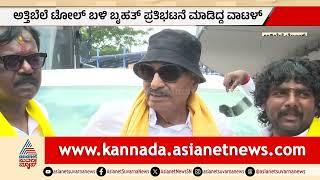
The Attibele blockade may be a preview of a bigger Karnataka shutdown if talks fail before August 13.
A border blockade is a direct hit to commuters, freight, and inter-state relations. If the threat escalates into a full bandh, the disruption could spread well beyond the protest site.

Google’s crawler-fed AI will intensify publisher backlash and sharpen antitrust scrutiny over web access.
This is a classic platform-power story: whoever controls search can also control AI training inputs. That has implications for publishers, competitors and regulators.

Publishers will push back harder as Google’s crawler-fed AI looks increasingly like a structural advantage.
If Google can train AI from its own search infrastructure, rivals and publishers may face a tougher, more unequal web.
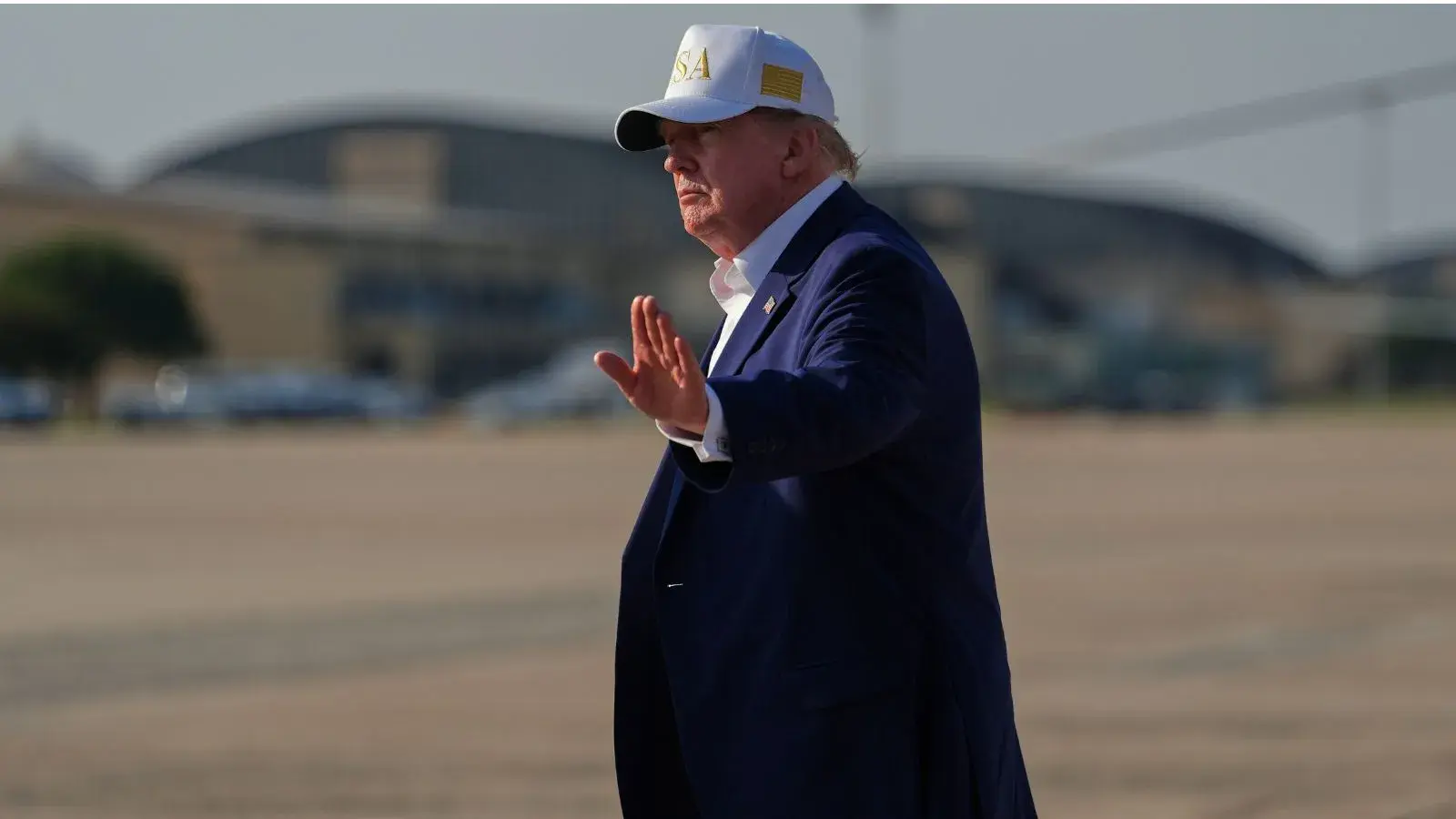
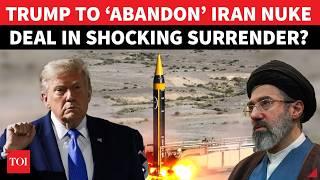
Trump will claim victory if Hormuz reopens, but Iran’s demands may force a fragile ceasefire, not a real diplomatic breakthrough.
Hormuz is the pressure point for global energy flows. If this becomes a managed pause rather than a settlement, oil-market volatility and regional brinkmanship stay elevated.
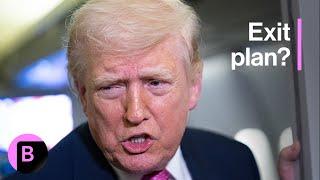
Trump may claim victory if Hormuz reopens, but Iran’s demands could keep the ceasefire hostage to payments, withdrawals, and sanctions relief.
Hormuz is the pressure point for oil, shipping and regional escalation. If this becomes an exit strategy rather than a settlement, markets and diplomacy stay exposed to sudden shocks.
Hormuz shipping stays volatile as Iran raises demands
Hormuz is a critical chokepoint for oil and LNG, so any prolonged standoff can ripple through energy markets and shipping costs far beyond the region. The story also shows how quickly a diplomatic off-ramp can turn into a bargaining fight over sanctions, assets and military posture.
Russia will keep pushing the Turkmenistan-Iran-Afghanistan-Pakistan rail concept as a strategic hedge if Hormuz disruptions persist, but near-term execution will remain uncertain.
The proposal shows how quickly geopolitical risk is reshaping trade-route planning. Even if the corridor remains aspirational, it signals that major freight players are already gaming out a world where Hormuz is less reliable.
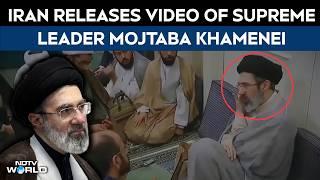
Iran will keep reopening the Strait of Hormuz tied to sanctions relief and frozen-asset concessions, forcing the US to choose between escalation and a politically costly compromise.
Hormuz is the pressure point for oil, LNG and global shipping. If Tehran holds this line, the market impact will extend beyond diplomacy into freight, energy pricing and insurance costs.

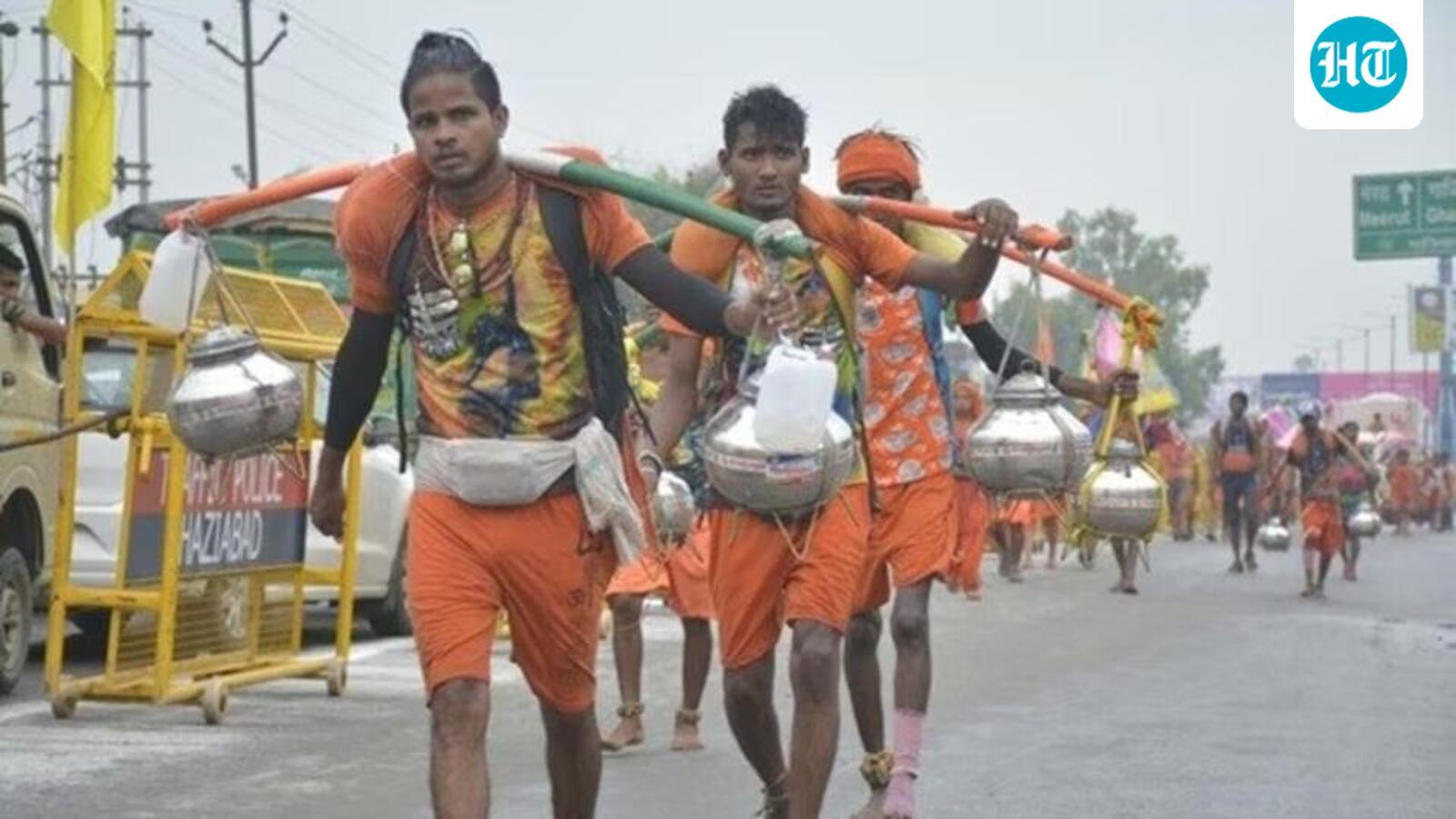
Uttarakhand police will likely add more checkpoints and CCTV-linked enforcement on Kanwar routes in the next few days, because two hit-and-run deaths in one weekend are politically and operationally hard to ignore.

The deaths will intensify scrutiny of traffic management on Kanwar routes, where crowding and vehicle discipline are already under pressure. The fact that the drivers vanished makes enforcement look weak.
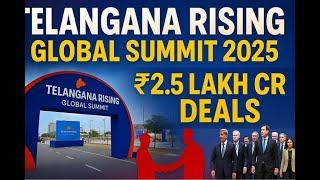
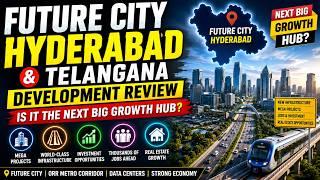
Telangana will likely unveil more concrete zoning and infrastructure details for the Future City concept within the next few months, because the current plan needs a visible map before it can influence real estate and investment decisions.
Hyderabad’s expansion strategy will shape real estate, transport and job geography across Telangana. The key question is whether the new centres actually relieve congestion or simply move it.