AI infrastructure spending will keep supporting Big Tech valuations while yen volatility stays a policy headache.
This is the cleanest cross-asset signal in the finance feed: AI spending is still being rewarded, but macro risk has not gone away.

13 results for “markets”

AI infrastructure spending will keep supporting Big Tech valuations while yen volatility stays a policy headache.
This is the cleanest cross-asset signal in the finance feed: AI spending is still being rewarded, but macro risk has not gone away.

Hormuz talks stay fragile, and traders will keep pricing sudden oil spikes until a deal lands.
This is the clearest macro-risk story in the feed: it links geopolitics directly to oil prices, shipping security and inflation expectations. Any shift in the Hormuz talks can move global energy markets fast.

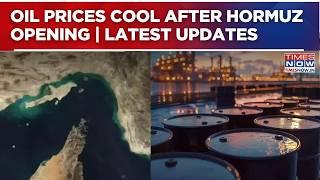
Oil traders will keep pricing Hormuz risk until Iran and Oman lock a shipping deal.
The Strait of Hormuz remains one of the world’s most important energy chokepoints. Any delay, escalation, or policy shift can move crude prices quickly and ripple into transport, inflation, and trade costs.

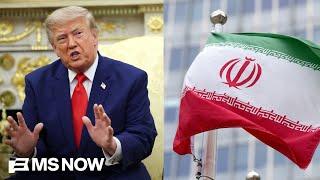
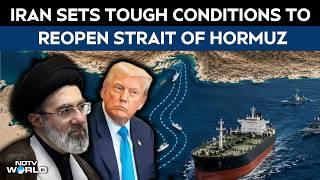
Iran will keep squeezing Hormuz talks until Washington offers concessions on sanctions and war damages.
This is the clearest global market-moving story in the feed. Hormuz is a chokepoint for energy and shipping, so every escalation ripples far beyond the region.

Oil stays elevated until Iran and Washington strike a deal that preserves face on both sides.
Hormuz is a global energy chokepoint; even a partial closure keeps oil markets, shipping costs and inflation under pressure.
Washington will struggle to separate Gaza diplomacy from Hormuz and Red Sea escalation if Israel keeps rejecting withdrawal terms.
The Gaza track is now intertwined with shipping risk and wider Middle East escalation. That makes any diplomatic breakthrough harder and any misstep more expensive for markets and governments alike.
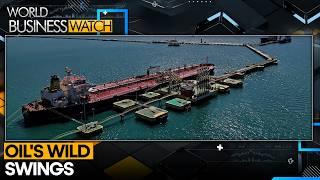
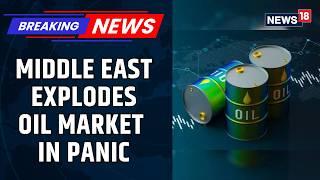
Brent stays volatile as Iran ties Hormuz reopening to sanctions relief and U.S. concessions.
The Strait of Hormuz remains one of the world’s most important energy chokepoints. Any delay, caveat or breakdown in talks can ripple through crude prices, fuel costs and inflation expectations far beyond the Gulf.

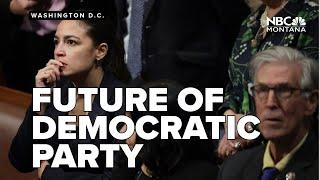
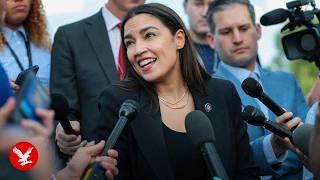
AOC’s 2028 ambiguity will keep Democrats debating whether she is a future nominee or a pressure point.
AOC remains one of the clearest signals of where the Democratic Party’s next generational fight could go.

Iran’s Hormuz restrictions will keep rattling energy markets until Washington signals concessions, compensation, or a face-saving off-ramp.
Any prolonged disruption at Hormuz can ripple through oil prices, shipping insurance, and regional military calculations far beyond the immediate conflict.
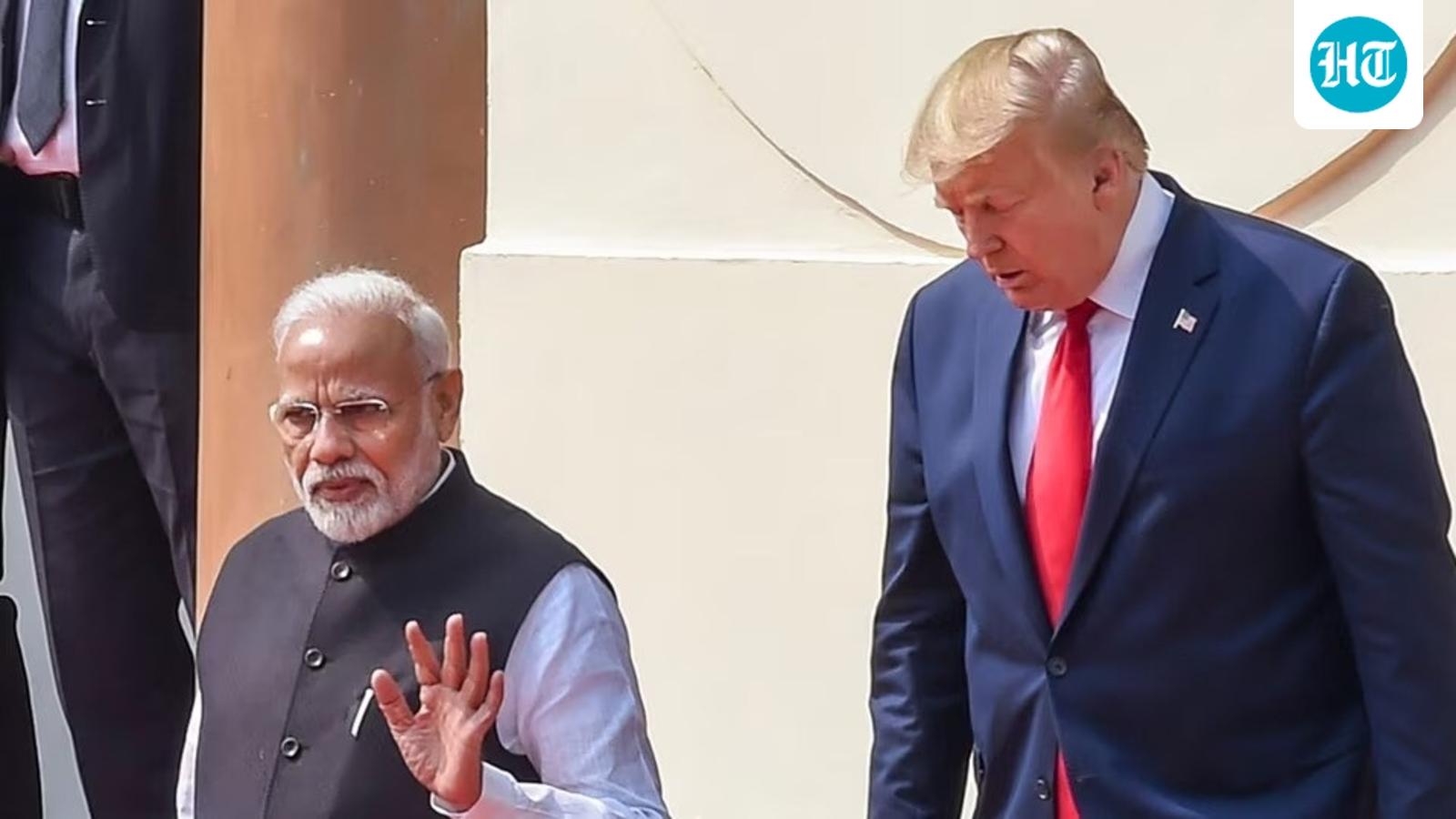
Indian exporters will accelerate diversification into alternative markets if US tariff threats harden, but logistics and trade deals will decide the pace.
This is a practical trade-diversification story, not just a tariff scare. It points to where exporters and policymakers may look if Washington escalates.

The US House will become the next battleground for the Russia oil sanctions bill, and Indian refiners will start signaling contingency plans if the tariff threat survives committee and floor negotiations.
This is the clearest market-moving story in the window: it links Washington legislation directly to India’s crude supply mix and global oil pricing. The risk is not abstract; it sits at the intersection of sanctions policy, energy security and refinery economics.

Indian refiners will begin publicly stressing backup supply options and hedging if the Senate’s tougher Russia sanctions move closer to implementation, because the article says replacing Russian crude quickly would be difficult.
This is a direct macro risk for India’s energy bill, inflation path and refinery sourcing strategy. It also intersects with the broader geopolitical squeeze on Russian oil flows.