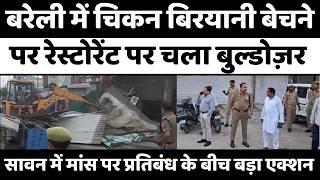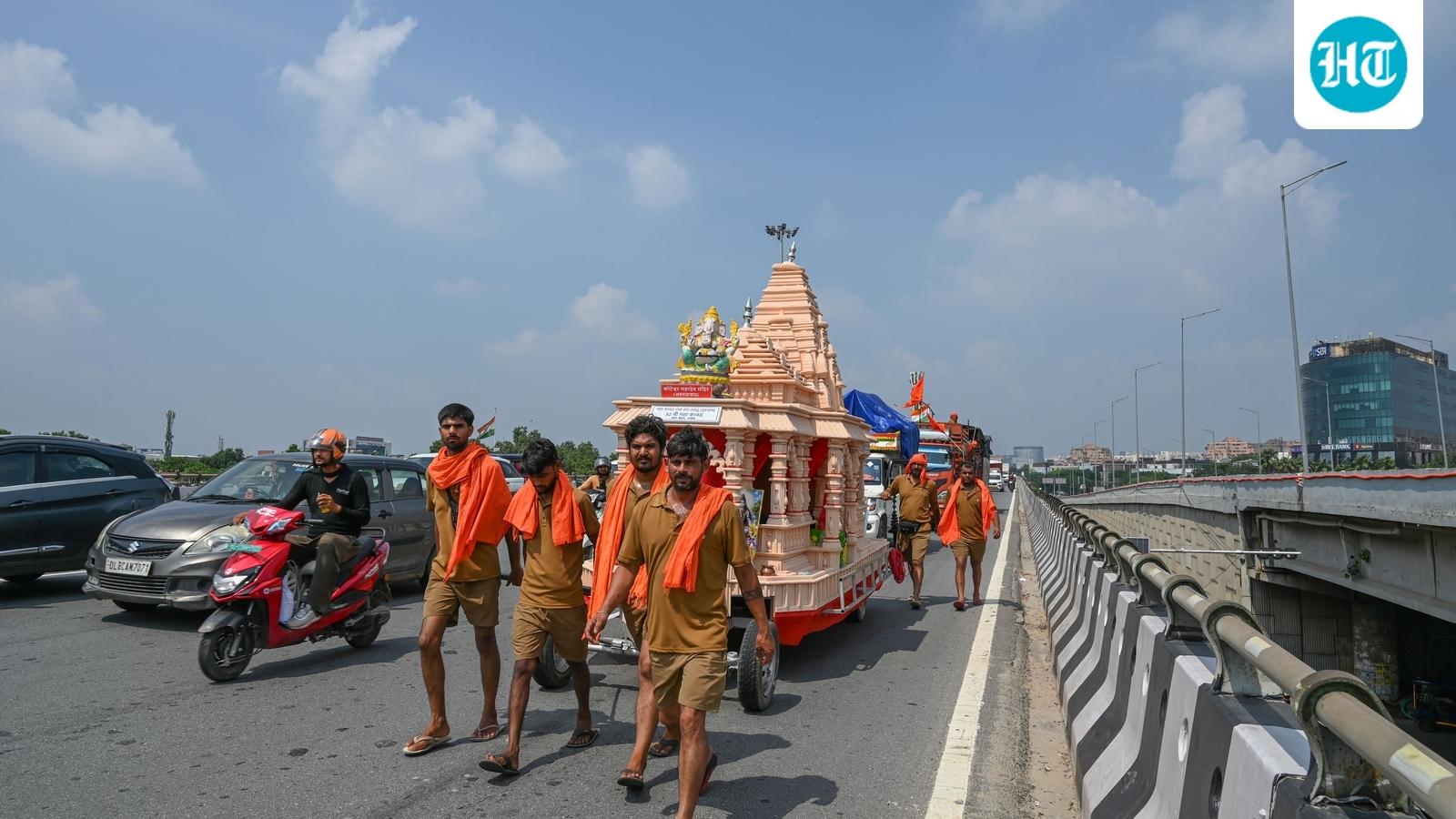
Bareilly’s Kanwar route crackdown may widen if police keep targeting shops accused of breaking the food ban.
The crackdown shows how religious-route policing is shaping local commerce and public order in Uttar Pradesh during the pilgrimage season.
13 results for “Trade”

Bareilly’s Kanwar route crackdown may widen if police keep targeting shops accused of breaking the food ban.
The crackdown shows how religious-route policing is shaping local commerce and public order in Uttar Pradesh during the pilgrimage season.

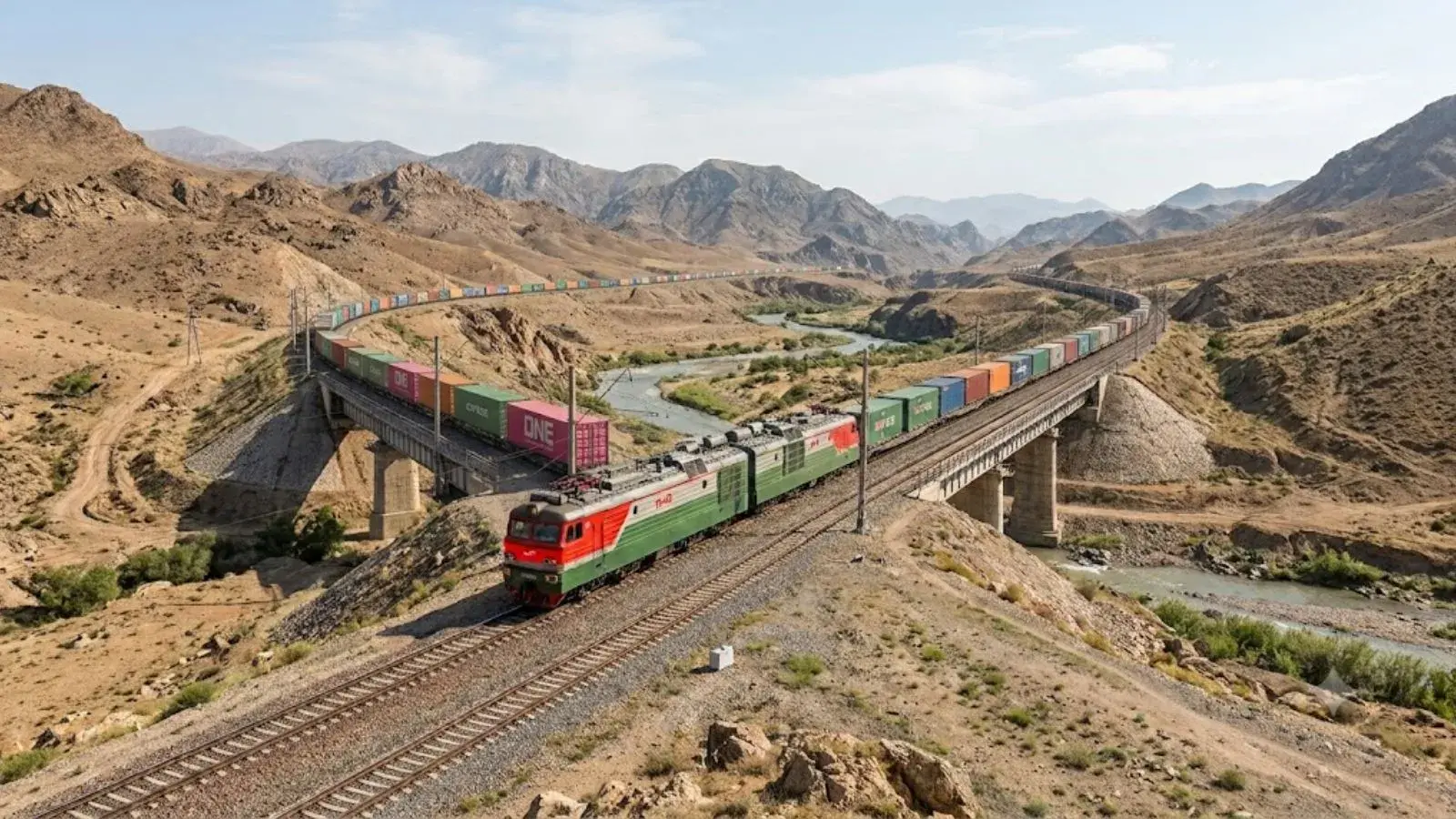
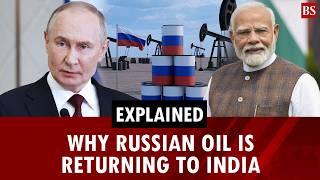
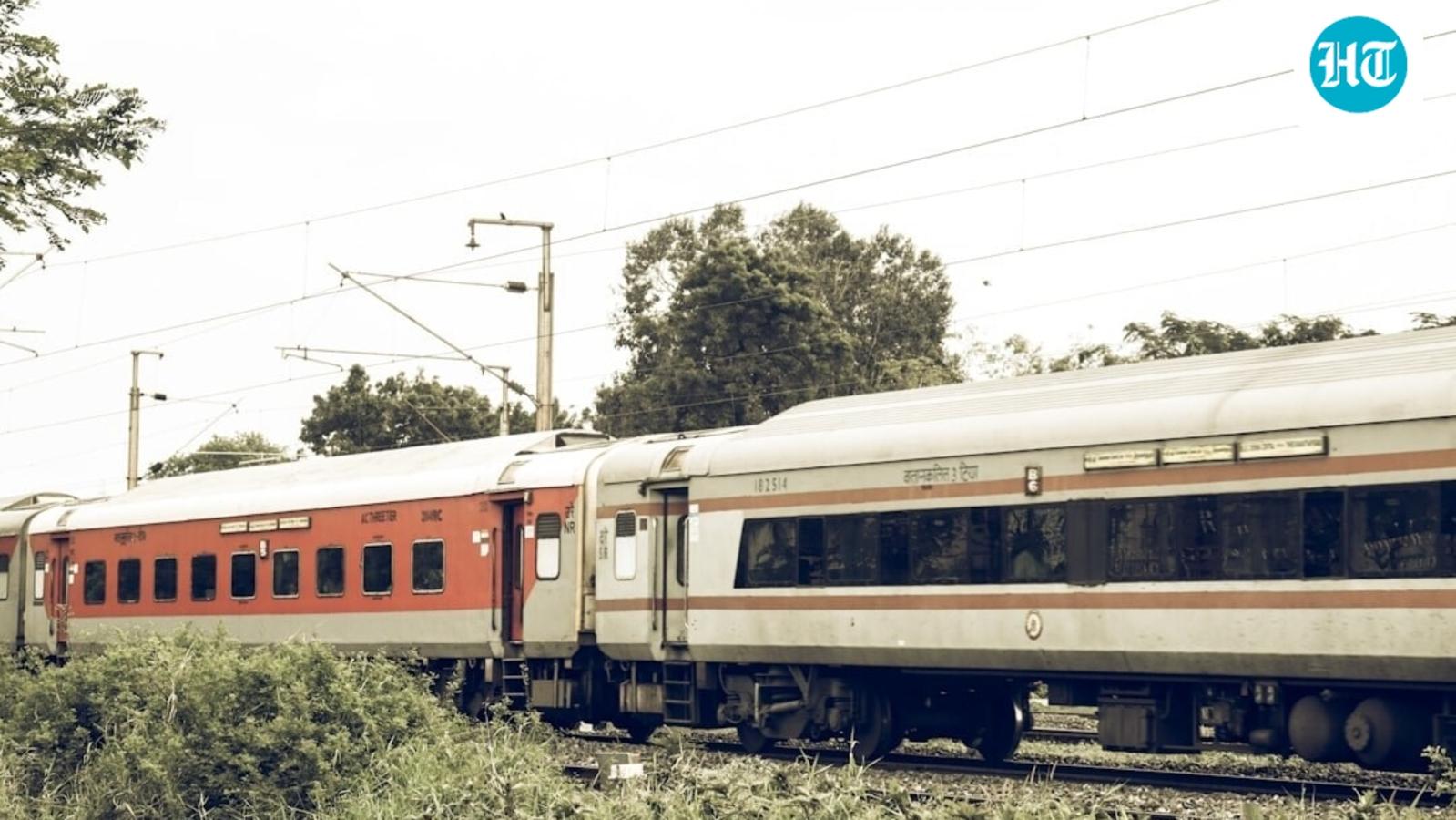
Russia’s rail-to-India idea will stay speculative unless sanctions, financing, and regional security all line up quickly.
The idea is still early-stage, but it reflects how geopolitical shocks are reshaping trade-route thinking. If it advances, it could alter freight patterns and deepen India-Russia logistics ties.

Deepfake investment scams will keep spreading until platforms and banks freeze suspicious funnels faster than victims can transfer money.
Deepfakes are moving from novelty to operational fraud tool. The case shows how quickly trust in public figures can be weaponized for financial crime.

Reuters’ findings will intensify scrutiny of Chinese military AI training, pushing OpenAI and Anthropic into a louder IP and export-control fight.
This is a direct IP and national-security story, not just an AI ethics debate. It could harden export controls and intensify scrutiny of model reuse across borders.
Russia and Ukraine will keep trading drone and missile strikes, with civilian casualties rising until air-defense supplies materially improve.
This is the clearest live-war signal in the window: civilian tolls are still rising, and both sides are adapting faster than diplomacy.
Russia will keep pushing the India rail corridor idea if Hormuz stays volatile, turning a headline into a longer trade-route strategy.
If even a tentative rail corridor gains traction, it would underscore how conflict is forcing long-term trade diversification across Eurasia. It also ties directly into oil and LNG risk.

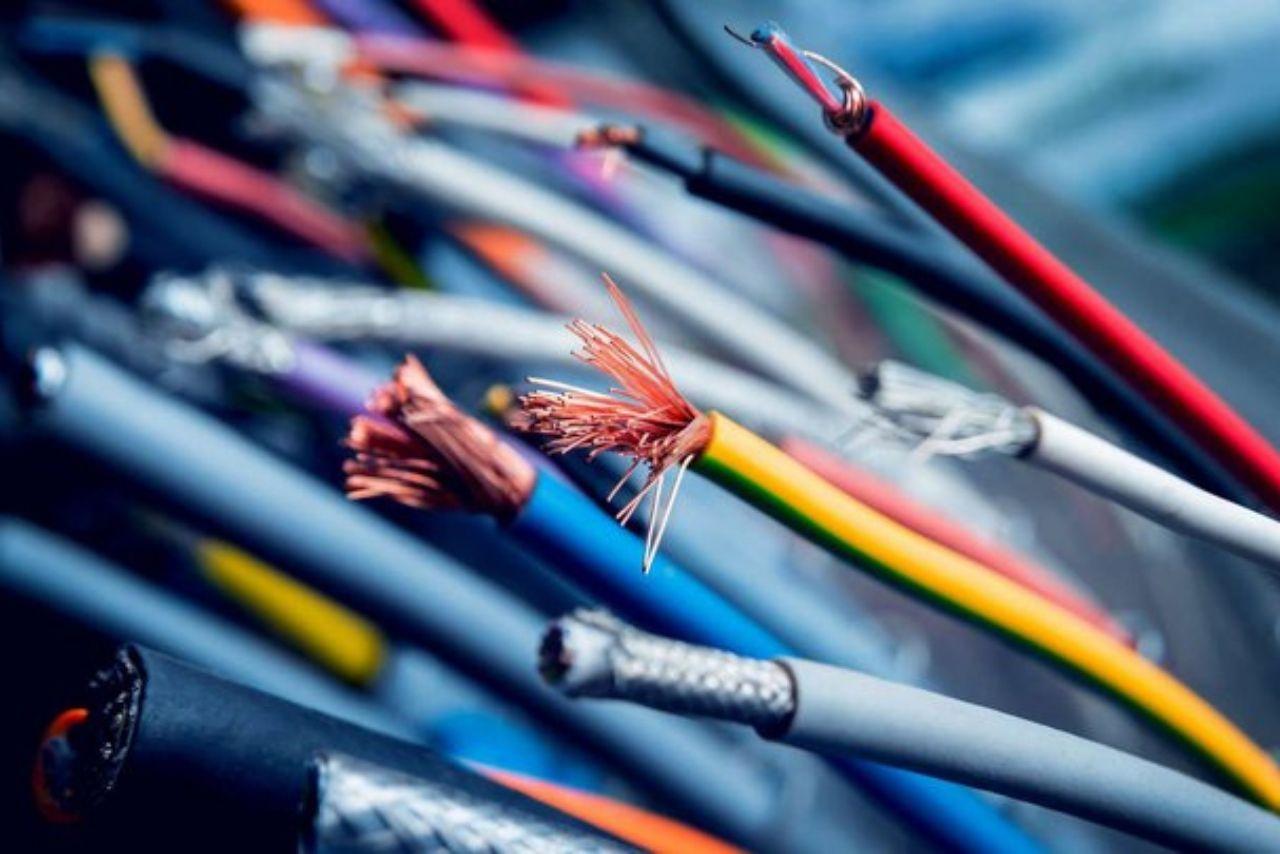
Cable stocks may keep climbing on capex demand
This is a clean sector call with clear stock preferences, which makes it useful for market watchers and retail investors. The broader theme — electrification and digital buildout — also ties into India’s capex narrative.
Russia will keep pushing the Turkmenistan-Iran-Afghanistan-Pakistan rail concept as a strategic hedge if Hormuz disruptions persist, but near-term execution will remain uncertain.
The proposal shows how quickly geopolitical risk is reshaping trade-route planning. Even if the corridor remains aspirational, it signals that major freight players are already gaming out a world where Hormuz is less reliable.

CLSA’s preference for RR Kabel and Polycab will keep drawing investor attention to the cables-and-wires theme, while KEI remains capped by valuation concerns.
This is a clean read-through on India’s capex and electrification story, with direct implications for listed industrial names. The call also suggests the sector still has room to expand capacity without immediately hitting saturation.

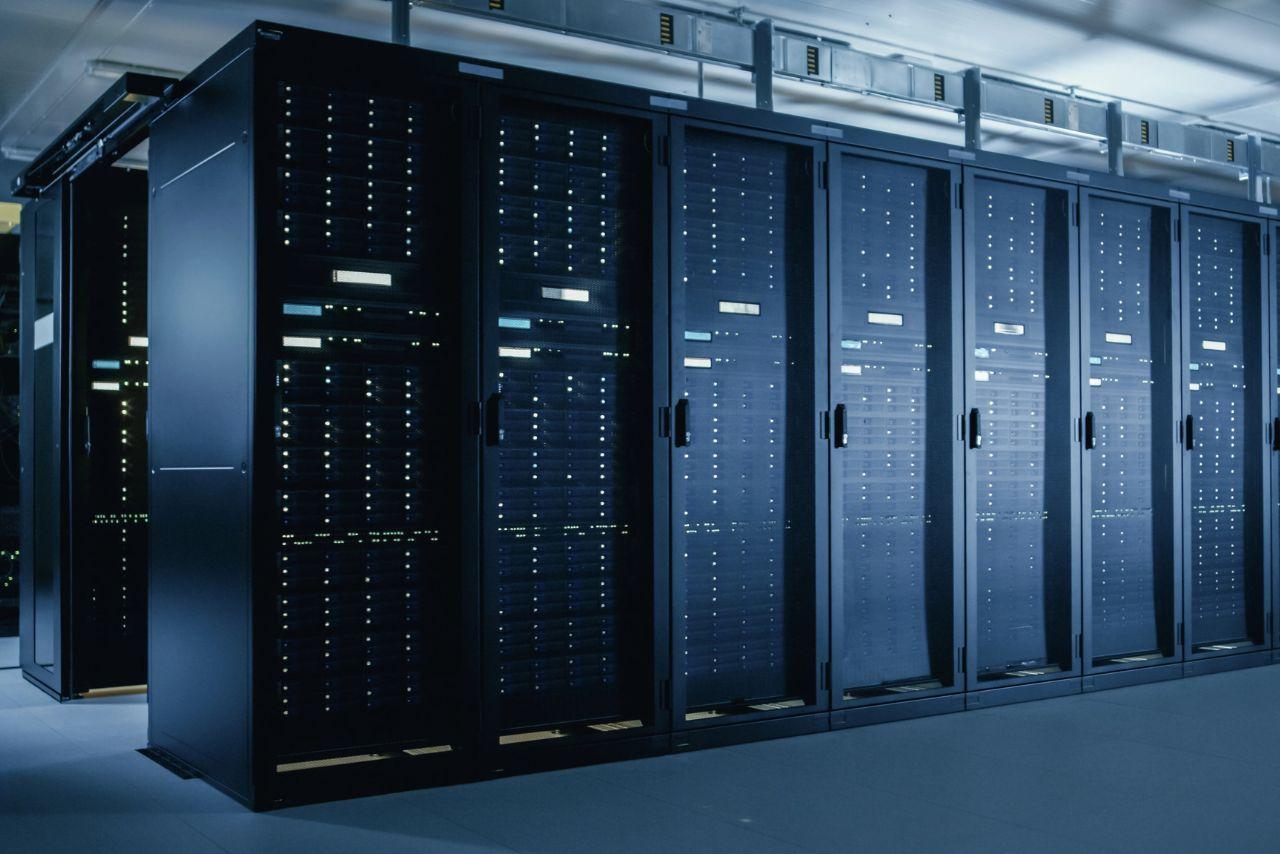
ABB India will keep citing data centres and electrification as backlog drivers in the next few quarters, and rivals in industrial automation will likely point to the same capex cycle.
This is one of the clearest India-facing signals that AI infrastructure spending is spilling into industrial hardware and electrical systems. The backlog suggests the demand is not a one-off spike but a pipeline that could support multiple quarters of execution.

Prestige Estates will likely keep leaning on Bengaluru, Mumbai and NCR launches to defend its FY27 targets, but the market will judge the stock on collections conversion rather than pipeline size alone.
This is a useful read on the health of India’s premium real-estate cycle. The scale of the pipeline makes execution and approvals the key variables to watch.

Russia and India will keep the rail-corridor idea alive in official discussions, but any real progress will depend on whether Turkmenistan, Iran, Afghanistan and Pakistan can be aligned on security and financing.
This is a concrete sign that geopolitical risk is pushing major powers to rethink trade routes. If the corridor advances, it would reshape Russia-India logistics and deepen the strategic importance of Iran and Pakistan.