Oil stays elevated until Iran and Washington strike a deal that preserves face on both sides.
Hormuz is a global energy chokepoint; even a partial closure keeps oil markets, shipping costs and inflation under pressure.
13 results for “Oil”

Oil stays elevated until Iran and Washington strike a deal that preserves face on both sides.
Hormuz is a global energy chokepoint; even a partial closure keeps oil markets, shipping costs and inflation under pressure.
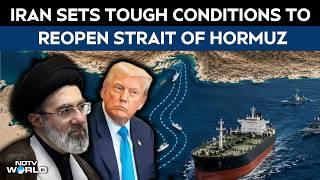
Brent stays volatile as Iran ties Hormuz reopening to sanctions relief and U.S. concessions.
The Strait of Hormuz remains one of the world’s most important energy chokepoints. Any delay, caveat or breakdown in talks can ripple through crude prices, fuel costs and inflation expectations far beyond the Gulf.
Brent stays volatile as Iran-Oman talks hinge on US concessions and Hormuz reopening.
The Strait of Hormuz remains one of the world’s most important energy chokepoints. Even without a full supply disruption, the uncertainty alone is enough to move crude, shape fuel expectations, and keep pressure on import-dependent economies.

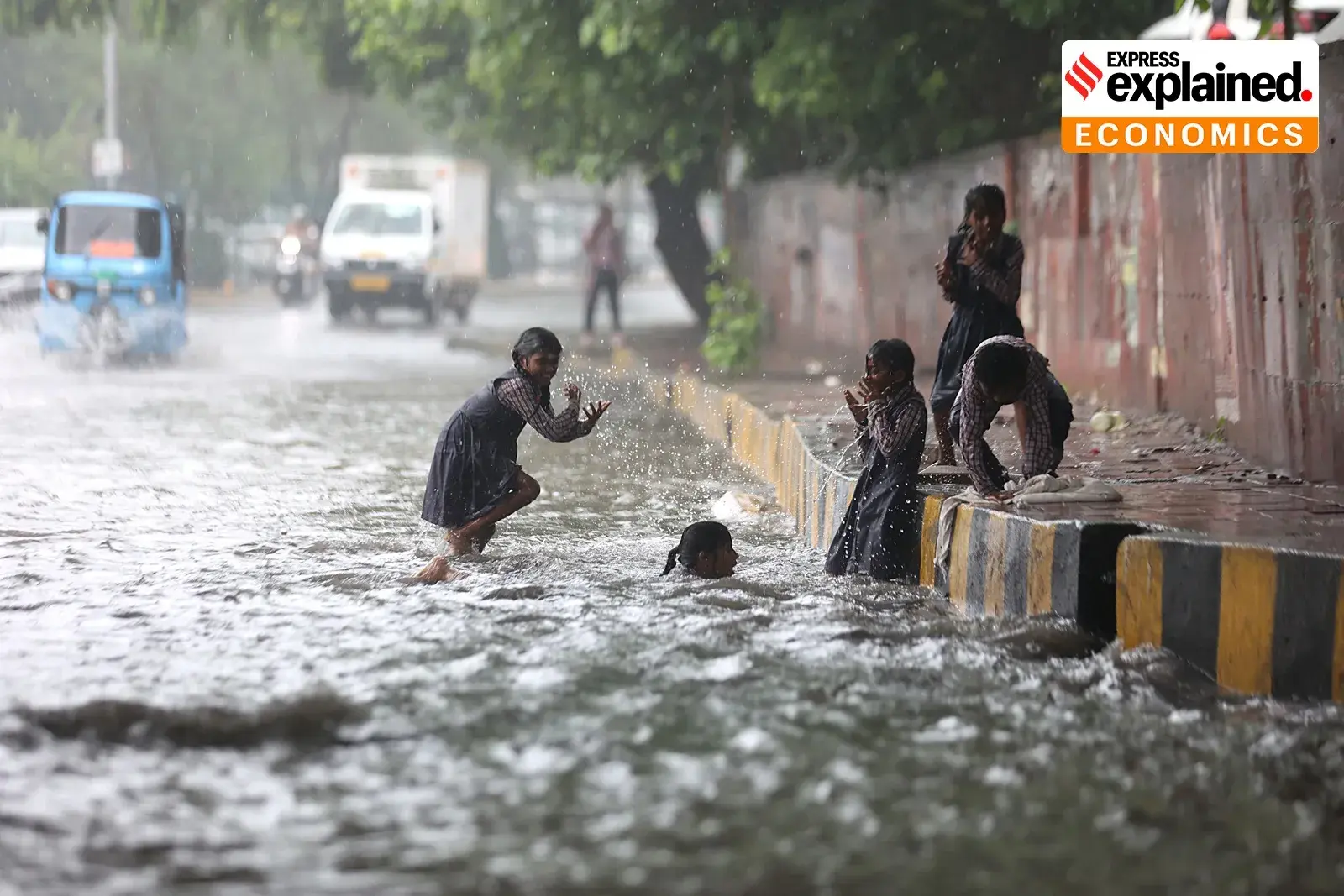
A stronger El Niño could still turn India’s monsoon recovery into a supply and inflation problem.
The immediate crop picture is better, but not safe. Weather swings now matter for food inflation, import demand, and the government’s ability to manage supplies into the next season.

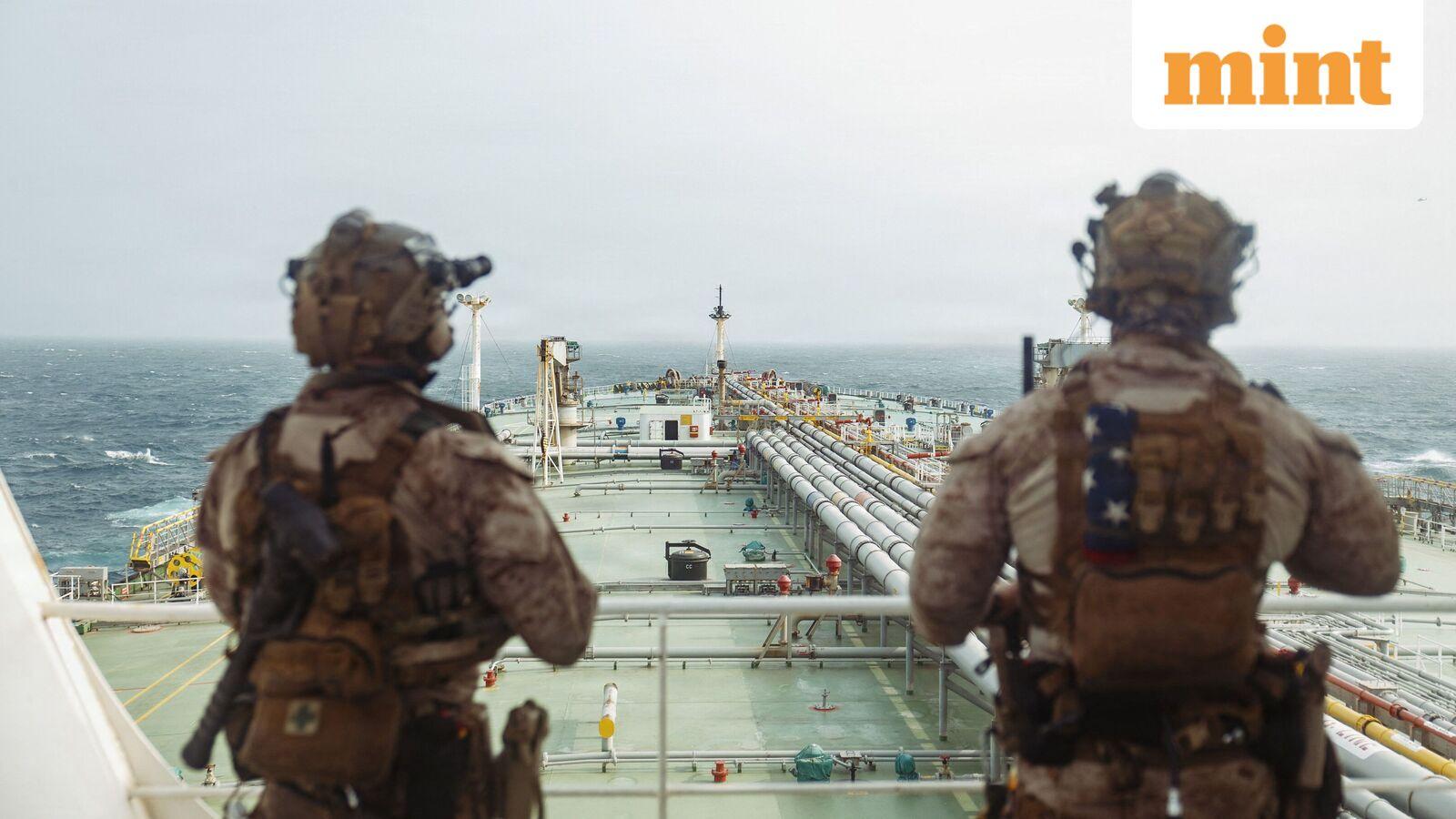
US CENTCOM’s blockade pressure will keep oil and shipping markets volatile until Hormuz talks move.
This is the most consequential geopolitical and market story in the window. It links military action, shipping disruption and energy prices in one chain, with immediate implications for global trade and inflation.

Iran will keep Hormuz leverage until Washington meets Tehran’s conditions, keeping oil markets on edge.
This is the clearest market-sensitive story in the feed: Hormuz is a global energy chokepoint, and Tehran is signaling that access remains a bargaining chip. Any delay or escalation can ripple through oil, LNG, shipping, and inflation expectations.
Israel’s Gaza rejection will keep ceasefire diplomacy fragile while Hormuz and Houthi risks keep shipping markets on edge.
This is the clearest high-stakes geopolitical cluster in the window: Gaza diplomacy is stalling while maritime risk around Hormuz and Red Sea routes stays elevated. That combination can move energy, shipping, and broader risk sentiment quickly.
Trump may claim victory if Hormuz reopens, but stalled talks keep escalation risk alive.
A pause in military rhetoric can calm markets, but the underlying dispute over Hormuz, sanctions, and troop presence still carries global energy risk.
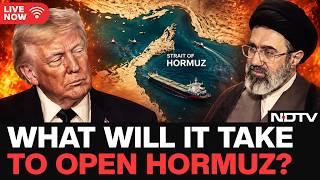
Russia will keep pushing the Turkmenistan-Iran-Afghanistan-Pakistan rail concept as a strategic hedge if Hormuz disruptions persist, but near-term execution will remain uncertain.
The proposal shows how quickly geopolitical risk is reshaping trade-route planning. Even if the corridor remains aspirational, it signals that major freight players are already gaming out a world where Hormuz is less reliable.
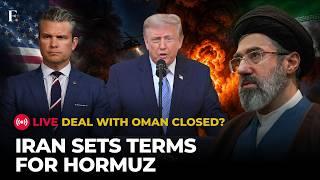
Iran will keep tying any Strait of Hormuz reopening to compensation and other conditions, with Abbas Araghchi’s Oman channel remaining the only plausible path to a partial deal in the short term.
This is the biggest market-moving story in the feed. Hormuz is a chokepoint for energy flows, and any sign that Tehran is using reopening as leverage will ripple through shipping, oil pricing, and diplomacy.

Oil and shipping-risk headlines will stay elevated until there is a visible US-Iran de-escalation or a reversal in Tehran’s Hormuz posture.
Any sustained disruption around Hormuz can move energy prices, shipping insurance and regional security calculations fast. This is the kind of story that can spill from geopolitics into markets within hours.
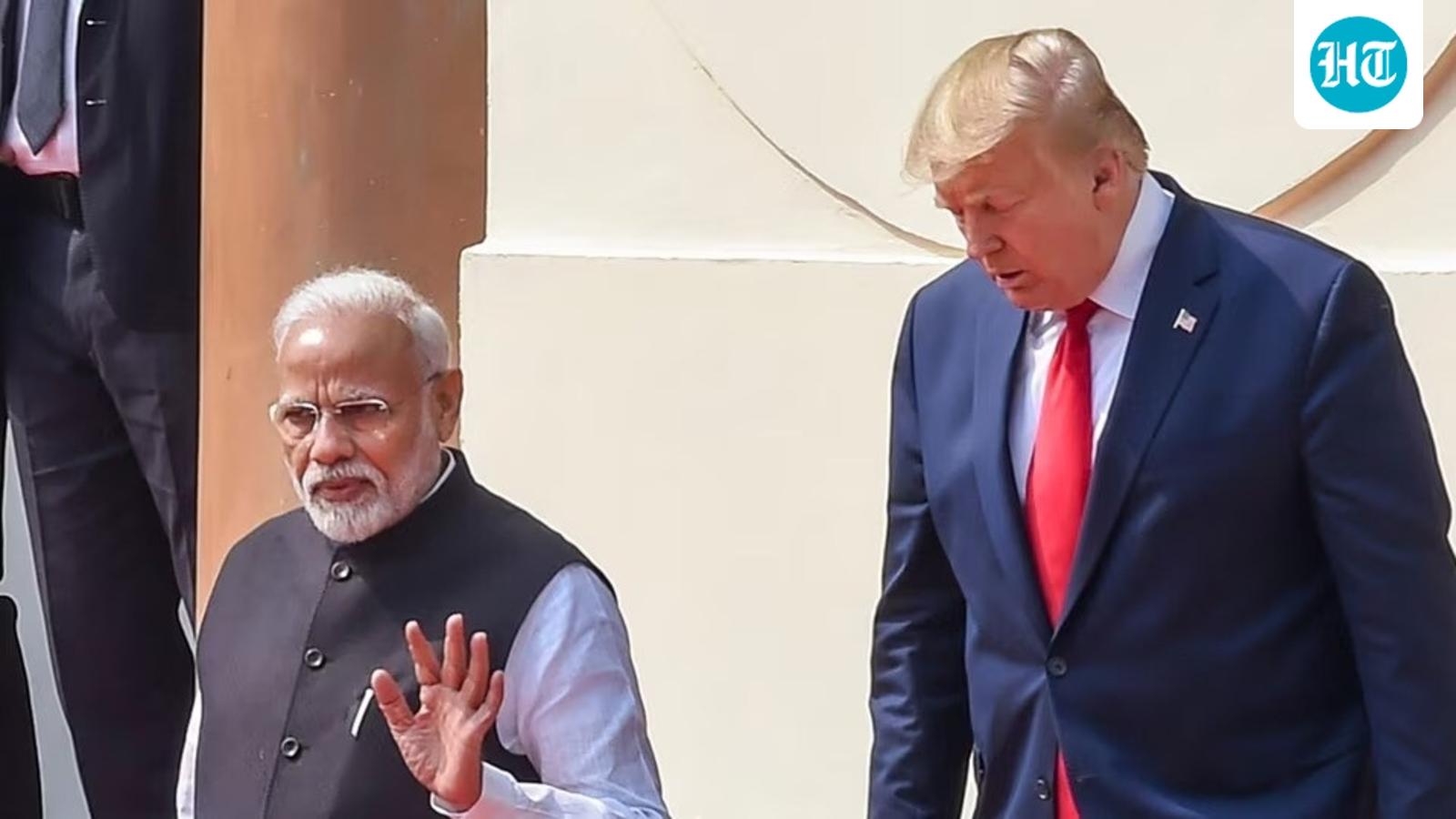
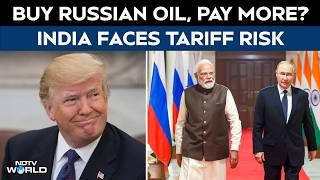
The US House will become the next battleground for the Russia oil sanctions bill, and Indian refiners will start signaling contingency plans if the tariff threat survives committee and floor negotiations.
This is the clearest market-moving story in the window: it links Washington legislation directly to India’s crude supply mix and global oil pricing. The risk is not abstract; it sits at the intersection of sanctions policy, energy security and refinery economics.