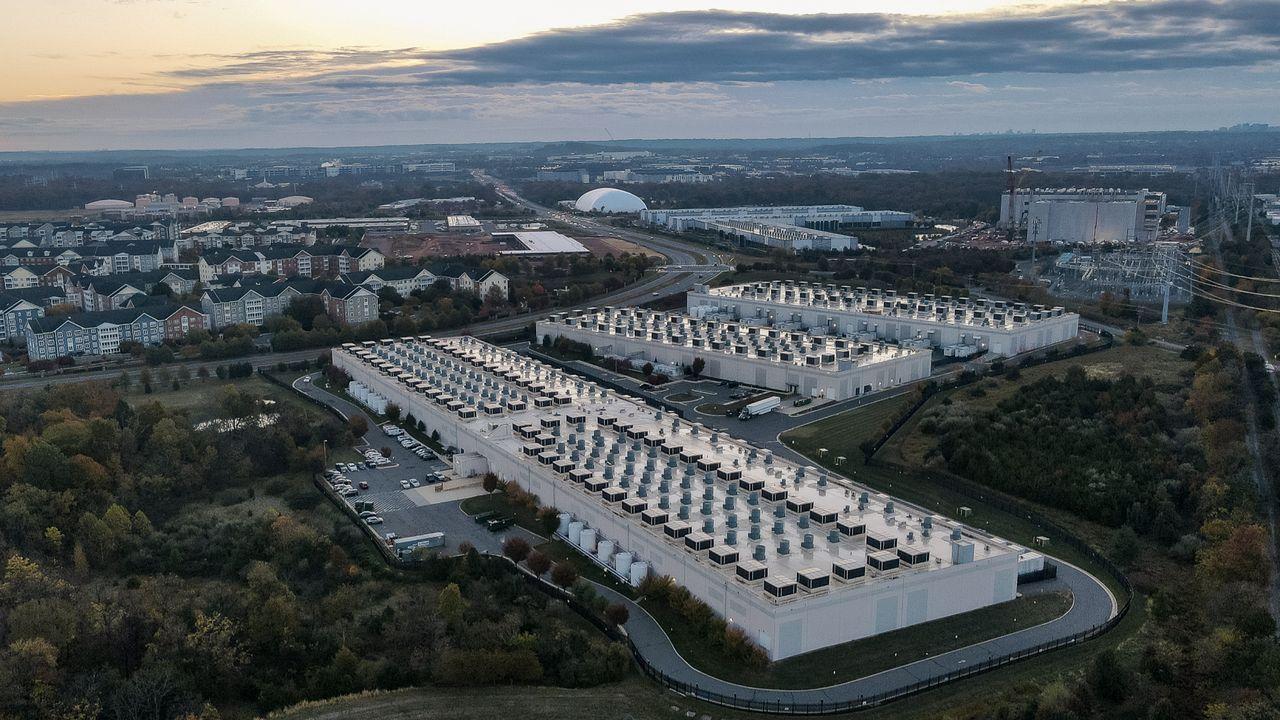
Amazon’s Pecos County project will keep drawing criticism from climate and local-oversight groups as the 7.65-gigawatt power plan becomes more widely understood.
This is one of the most consequential AI infrastructure stories in the feed because it ties data-center growth directly to a major fossil-fuel buildout. It will intensify scrutiny of how AI capacity is powered.
AI reasoning
This is one of the most consequential AI infrastructure stories in the feed because it ties data-center growth directly to a major fossil-fuel buildout. It will intensify scrutiny of how AI capacity is powered.
Curated summary
Amazon is investing in a new gas-burning power plant in Pecos County, Texas to support a West Texas data center. The plant would not initially connect to the state grid and would primarily deliver 7.65 gigawatts of electricity to the site. The project has become a flashpoint because of its scale and emissions profile.
Supporting evidence
 YouTube·WCPO 9
Wilmington residents sue city over proposed Amazon data center plans
431 engagements7h ago YouTube·PBS Terra and Floodlight News
We Saw What AI Data Centers Don't Want You to See
7h ago YouTube·TED
The Story You’re Not Hearing About AI Data Centers | Ayșe Coskun | TED
7h ago YouTube·Forbes
How Amazon Is Betting Big On Its Data Centers Powered By Nuclear Reactors
7h ago
Source news
Amazon’s West Texas data-center power plan is drawing scrutiny
A new Amazon data center in Pecos County could be powered by a gas plant with 35 turbines and 7.65 gigawatts of electricity, raising fresh questions about emissions and grid impact.