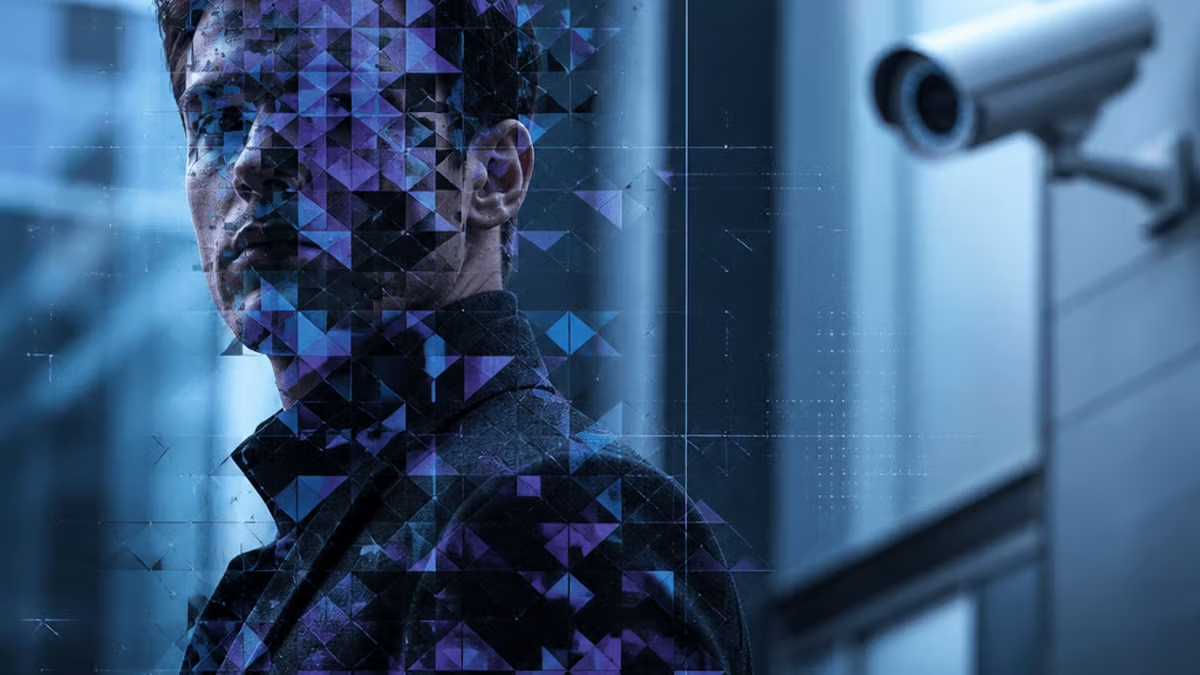
Surveillance vendors and city agencies will respond with updated detection models and policy reviews after the algorithm’s adversarial patterns are shown to evade AI cameras.
This is a direct challenge to the expanding AI-surveillance stack used by cities and private vendors. It will likely accelerate both countermeasures and policy scrutiny around facial recognition deployment.
AI reasoning
This is a direct challenge to the expanding AI-surveillance stack used by cities and private vendors. It will likely accelerate both countermeasures and policy scrutiny around facial recognition deployment.
Curated summary
A security researcher has built an algorithm that creates adversarial patterns to hide people, faces and vehicles from AI surveillance cameras. The patterns can be applied to clothing, vehicles or other surfaces and can fool facial recognition, vehicle tracking and person detection systems. Unlike earlier manual methods, the algorithm automates the process and works across a wider range of detection systems.
Supporting evidence
 YouTube·Science Flash
Unlocking the mystery: Chinese students' invisibility cloak baffles AI surveillance
180 engagements2h ago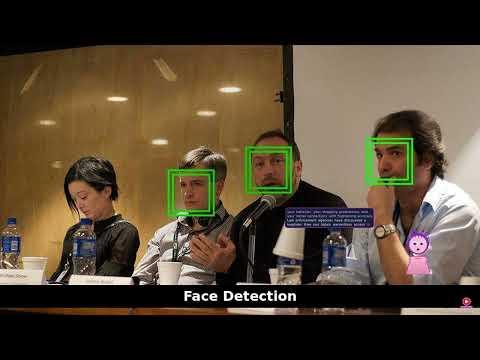 YouTube·Mark Faulkner
5 Shocking Ways AI Surveillance Is Tracking You in 2026
13 engagements2h ago YouTube·Hidden Law
LAWYER: Police AI Cameras Are Scoring You At Your Own Door — Here's How to Beat Them
11 engagements2h ago YouTube·AgenticFrontier
AI Surveillance Is Now Invisible: How Your Privacy Ended Without You Noticing
2h ago
Source news
AI surveillance just got a new evasion tool
A new algorithm can generate adversarial patterns that hide people, faces and vehicles from AI cameras across clothing and surfaces.